

Four new cases of bluetongue were detected in the UK last week as midge activity continues to ramp up following the recent spells of warm weather.
The Department of Environment, Food and Rural Affairs (Defra) confirmed that the disease was present within three herds in England, alongside another herd in Wales, over the last seven days.
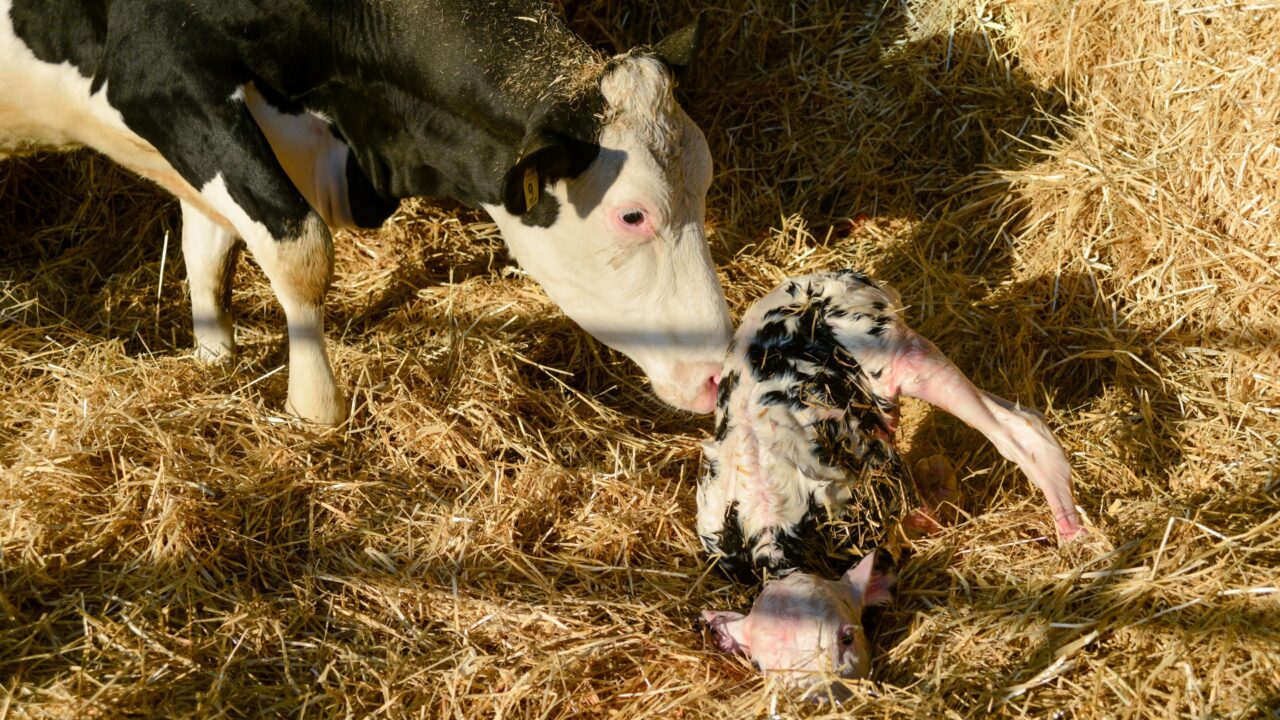
The recent string of bluetongue outbreaks kicked off in Cerdigion, Wales last Thursday (May 28) after a cow gave birth to a dummy calf, a term which refers to a calf that is born small, weak, deformed or blind.
Following a series of tests, Defra stated that both the mother and calf had tested positive for BTV-3, which is currently the most common strain of bluetongue in the UK and Ireland.
England
Over in England, another case of bluetongue was detected in South Yorkshire on Friday, May 29 as one cow tested positive for BTV-3 following a sudden drop in milk production.
Defra noted that several abortions and premature calving occurred with other cattle on the South Yorkshire farm, who had not been tested for bluetongue.
On Friday, May 29, a separate bluetongue outbreak was also identified on a Shropshire farm following a non-negative germinal product test.
One cow was confirmed to be positive for BTV-3 from tests taken on the Shropshire farm “following flushing for embryo transfer”‘
BTV-8
The final case of bluetongue from last week was detected in England on Saturday, May 30 as a three-week-old calf born with neurological signs tested positive for BTV-8 before subsequently dying.
Historically, the BTV-8 strain of bluetongue has been detected several times before in the UK, with a major outbreak taking place over 2007-2008.
According to Defra, there have been a total of 321 bluetongue case in England during the 2025-2026 bluetongue season, including 308 cases of only BTV-3, five cases of only BTV-8, seven cases with both BTV-3 and BTV-8, and one case of an unknown BTV strain.
Only BTV-3 has been detected in Wales and Northern Ireland, with 24 cases and five cases identified within the respective countries, while Scotland has recorded “no cases” of bluetongue whatsoever, Defra said.
BTV-8 has also never been detected in Ireland, with only BTV-3 being confirmed within multiple cattle herds across eight counties, according to the Department of Agriculture, Food and the Marine.