

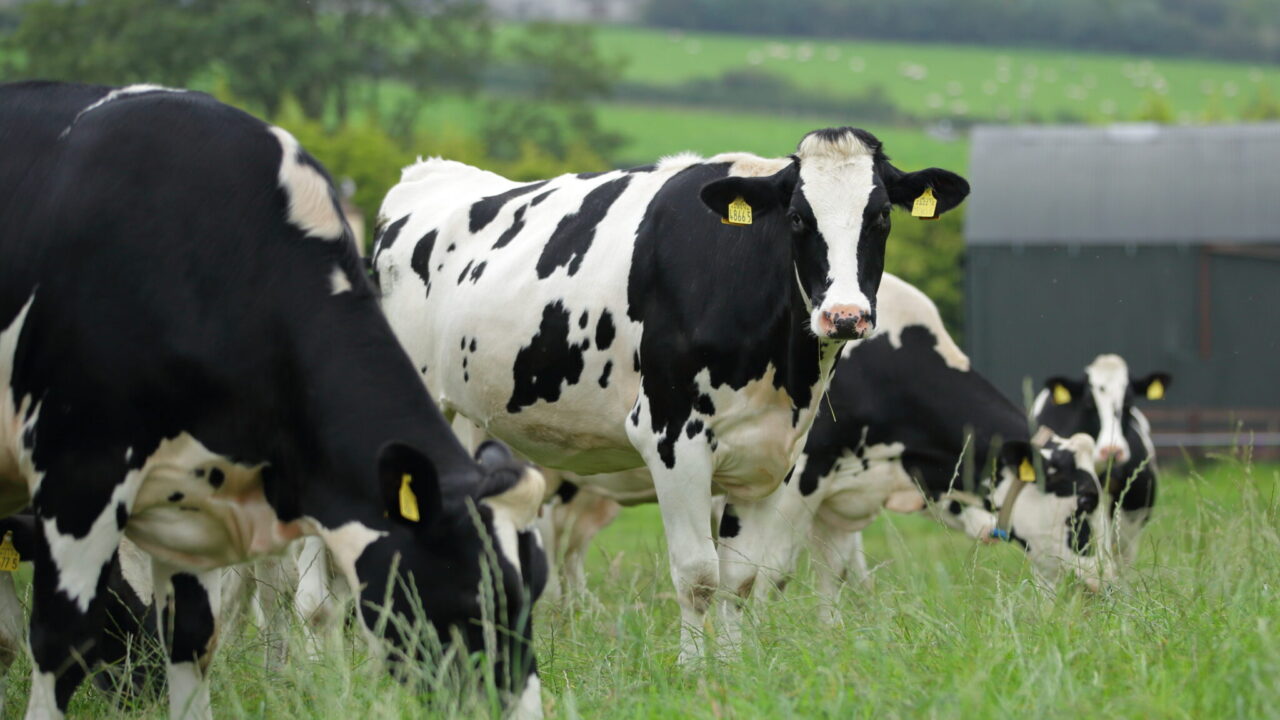
The consistent use of sexed semen has been highlighted as a critically important technology within the dairy sector, as it is said to enhance the rate of genetic progress with herds.
Breeding youngstock to the best genetics available must be a priority for all dairy and suckler beef producers, according to Ai Services (Northern Ireland) Ltd.’s principal group scientist, Dr. Debbie McConnell.
Speaking at a recent series of farmer meetings, hosted by Ai Services, Dr. McConnell said:
“Genetics impacts on all aspects of cow management and can account for up to 50% of total animal performance.
“From a dairying perspective, this means that up to half the value of a farm’s monthly milk cheque can be driven by the genetic make-up of the cows.”
McConnell commented on how the concept of genetics has influenced UK farm profitability throughout the year.
“Because we have continually been advancing the genetics of our national herd through farmers selecting better quality AI [artificial insemination] bulls, the average cow we have on farm today can produce more milk, with better components, more efficiently,” she explained.
“Had we not progressed, dairy farmers would be £500/cow worse-off today, should they happen to be milking the average cow that was available on-farm 20-years-ago.
“The reality is that genetics, although it accounts for a very small component (less than 2%) of total expenditure, it has a highly significant impact on all aspects of farm performance,” she continued.
Sexed semen
Looking to the future, the Ai Services’ representative pointed to the importance of modern technologies, such as sexed semen and genomic testing, that are helping drive the rate of genetic gain within herds.
“Last year, sexed semen accounted for 76% of the dairy straws sold in the UK.
“Sexed semen brings a number of key advantages, including the improved rate of genetic gain achieved within herds.
“It also delivers greater opportunities to use higher levels of proven, high-quality beef semen within a dairying operation,” Dr. McConnell said.
Comparing a strategy of using either conventional dairy semen or sexed dairy semen, with all remaining animals in both scenarios being bred to beef, Dr. McConnell highlighted how the average dairy farm could benefit financially from sexed semen.
“For a 120-cow herd, using sexed semen on the heifers and a small proportion of cows (10%), compared to using conventional dairy semen on heifers and a larger proportion of cows (40%) to supply sufficient replacement heifers, will increase calf sales by £5,500.”
This additional income, far outweighed the increase in semen costs (dairy and beef) from using sexed semen (+£650) and occurred despite slightly lower conception rates with sexed semen, according to the Ai Services representative.
“The use of sexed semen also increases the rate of genetic gain that can be achieved,” she continued.
“Using conventional semen alone will bring about a profitable lifetime index (PLI) improvement for dairy herds in the UK of about £22/annum. However, the use of sexed semen improves the PLI gain to £59 per annum. This is because we can bring more heifers through on an annual basis.
“Genomic testing allows dairy farmers to identify their elite breeding animals. So, a breeding strategy based on the combined use of genomic testing and sexed semen can increase the annual rate of PLI gain up to £105/annum.”
Where Northern Ireland is concerned, Dr. McConnell stressed the benefits that will be accrued by dairy farmers in seeking to improved milk quality.
“Fat and protein are very heritable traits, meaning real improvements in milk quality can be obtained within a few generations.
“Extra solids are currently accounting for 15% of total milk cheque payments in Northern Ireland at the present time. And the scope to improve on this figure still further is significant.”