


The farmland market remains becalmed, but the government’s inheritance tax U-turn could boost confidence, according to a global property consultancy.
The price of bare agricultural land remained virtually flat in the final quarter of 2025, taking the total fall in average values across England and Wales to just over 5%, according to Knight Frank.
An acre of farmland is now worth just under £8,700.
Not since the second quarter of 2017 have prices fallen by over 5% in a 12-month period.
However, given the state of grain markets, residential property markets and falling confidence in the government’s agricultural policies, it could be argued that this relatively limited drop highlights farmland’s resilience, Knight Frank outlined.
Head of Farms and Estates at Knight Frank, Will Matthews said: “The market remained fairly stagnant at the end of 2025 in line with the rest of the year.
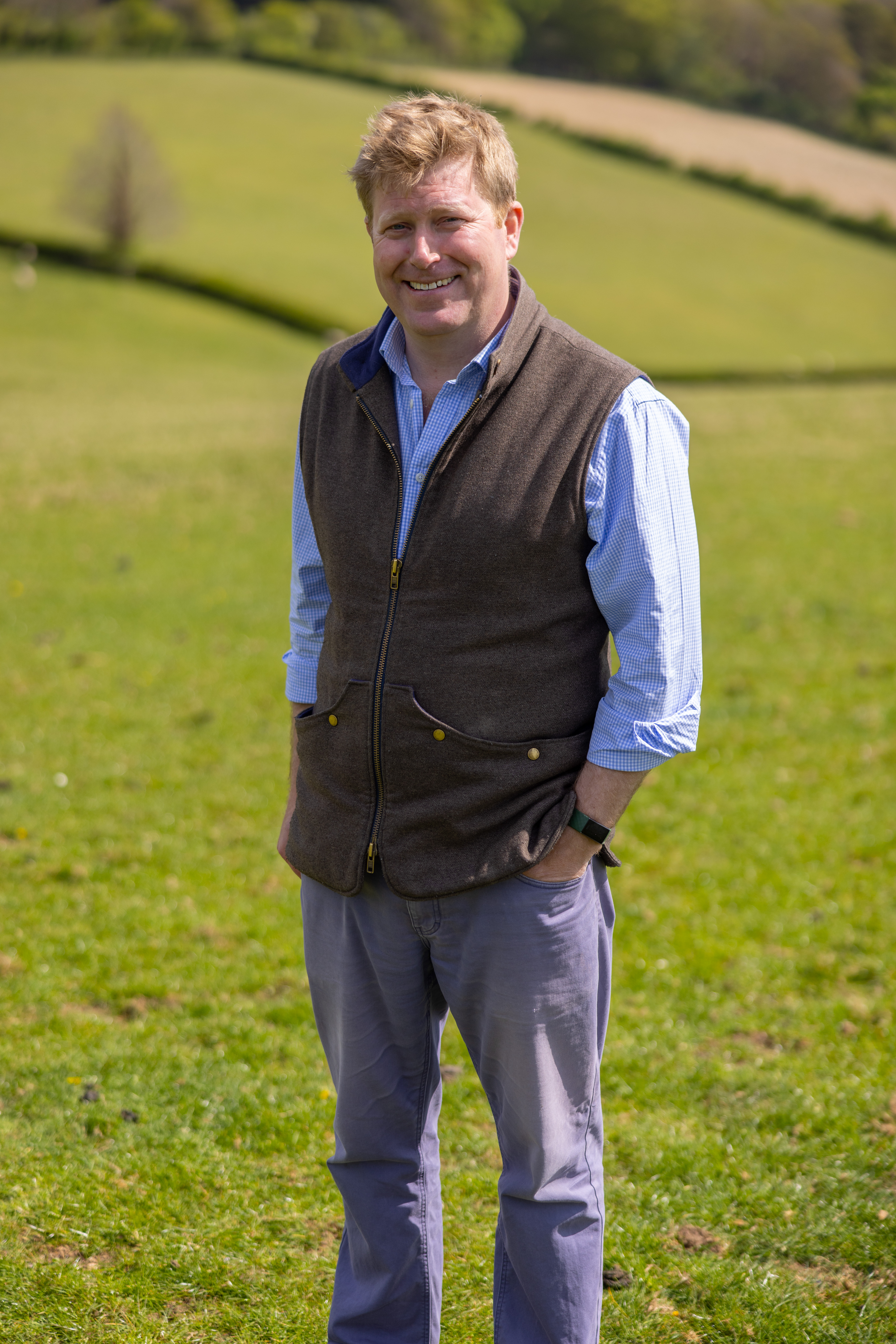
“While economic and political uncertainty around the world is driving up the price of gold to record highs, farmland seems to have lost some of its traditional safe-haven shine that caused prices to jump during previous periods of financial upheaval.”
Farmland
Over the past five years, agricultural land’s 26% increase in value has outperformed other property classes, including prime central London residential (-5%) and the wider UK housing market (+19%).
Farmers have been up in arms since Labour’s first Budget in 2024, when it announced plans to drastically reform the Inheritance Tax (IHT) regime for agricultural and commercial property.
With even relatively small farms due to become liable for IHT from April 6, 2026, there was a real fear that there would be a spate of forced sales as successors sold off all or part of their family farms to cover their potentially substantial IHT bills.
Matthews attributes the market slowdown mainly to “the widely held perception that the current government sees greater taxes on the wealthy as a solution to its fiscal worries”.
“Potential buyers, particularly those from overseas, are unsurprisingly reluctant to spend multiple millions on high-value properties, including farmland.”
The government’s partial U-turn just before Christmas means only farms worth over £2.5 million, and doubled to £5 million if owned by a married couple or those in a civil partnership, will now be liable for IHT.
Although this still leaves larger farms that don’t mitigate their tax liabilities vulnerable to sizeable IHT bills, it will protect a large slice of the industry and help calm concerns across the sector, according to the property consultancy.
“I do sense, however, that confidence may have hit its nadir,” Matthews added. “The government’s change of heart over its Inheritance Tax reforms shows at least some understanding of the challenges facing rural property owners, and there are few early signs that more properties will come to the market in 2026.”
As a result, there is now less chance of a significant increase in the amount of farmland coming up for sale this year.
A further cut in the Bank of England’s base rate in December will also bring down borrowing costs, the property experts have suggested.
Farmers are now likely to wait and see what 2026 holds in store for them, and average farmland values are likely to remain relatively stable, according to the analysis.
“There is still plenty of wealth around and deals are still being done, often at levels well over £10,000/ac, but vendors need to set guide prices at realistic levels and be prepared to wait for the right buyer to come along,” Matthews advised.
The Knight Frank Farmland Index has tracked the value of bare agricultural land since 1944.