NI agri-food industry working to ‘mitigate a new set of uncertainties’


Agriculture in Northern Ireland is confronting a set of new challenges, which continue to evolve at an ever quickening pace.
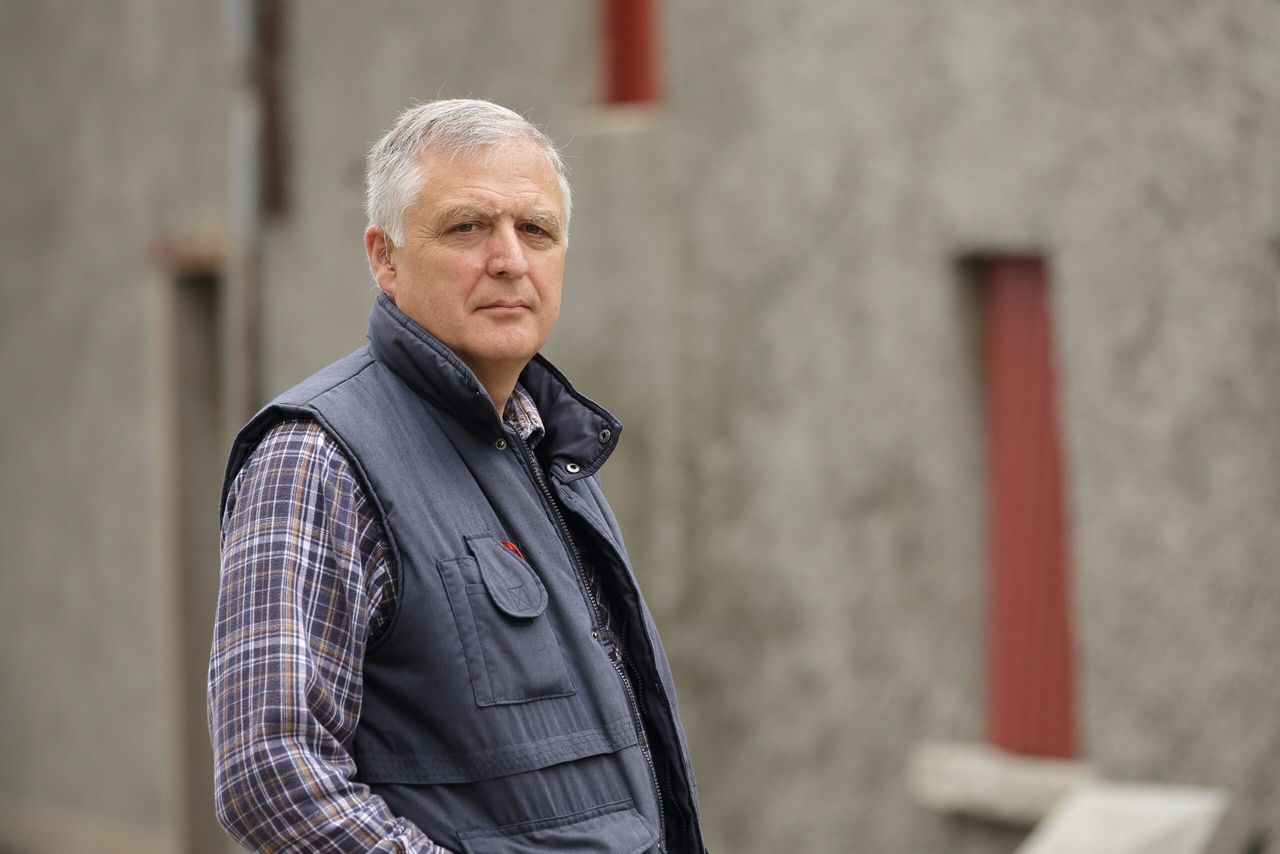
This is the strongly held view of the newly elected president of the Northern Ireland Grain Trade Association (NIGTA), Aidan Fisher.
Speaking at the organisation’s 2026 annual dinner, he said: “In 2025 and into 2026, our wider agri-food industry continues to work together to mitigate a new set of uncertainties beyond our control.
“For the last 25 years or so, I have had the great privilege of working in this very special and unique industry in Ireland.
“For 20 of those years, of course the industry had challenges to overcome, such as food scares or Brexit.”
The NIGTA president noted that the last five years “have been particularly unique”.
“Since 2020, supply chains to our marketplace have been significantly disrupted almost annually,” Fisher continued
The period in question started with Covid, followed by issues relating to the Suez Canal, the Ukraine war and US Tariffs.
“Now we have a war in Iran,” he said.
“In fact, only a few weeks ago, I was almost looking forward to being the first NIGTA president in the past five years not having to re-write my speech multiple times in advance of our Annual Dinner due to geo-political landscape changes.
“But, just as I was having that thought, the 47th president of the USA had other ideas.”
Fisher went on to point out that all sections of society have been inpacted by the current conflict in the Persian Gulf.
He continued: “Whilst global financial markets and supply chains are currently experiencing significant turbulence, Northern Ireland’s agri-supply chain has a proven track record of weathering many storms, and we will come through this too.”
The NIGTA president cited the high degree of collaboration that exists between stakeholders across the Northern Ireland agri-food chain as being at the heart of the sector’s ability to responding effectively to what many would consider as systemic challenges.
He explained: “The undoubted strength of the industry is its willingness to collaborate, whether it be on issues of sustainability or Brexit.
“As NIGTA, we very much value this commitment from our members and our supply chain partners in working together to address issues of mutual concern.”
According to Fisher, NIGTA’s activities continue to focus on advancing the sustainability agenda with data led science and solutions.
He commented: “We are acutely aware of the challenges facing Northern Ireland, including Lough Neagh, which continues to dominate news headlines and the political agenda.
“The NIGTA Sustainability Committee has been proactively engaged on this and a range of other environmental sustainability matters.”
He said that over the past year, NIGTA has dedicated significant time, expertise, and resources to engaging with the Nutrients Action Programme, “carefully scrutinising both the consultation process and the proposals brought forward”.
“Throughout this period, we have consistently highlighted key concerns, while remaining firmly committed to constructive dialogue.”
Fisher added that NIGTA will continue to engage with the Stakeholder Task and Finish Group, “working collaboratively to help shape a way forward that is practical, workable, and economically viable at farm level”, and that will also allow Northern Ireland to deliver “meaningful water quality improvements and meet legislative requirements”.