Organic beef and sheep production is ‘wholly sustainable’ – farmer
Organic beef and sheep production can deliver sustainable levels of income while also adding to the enjoyment of farming in that overall sense.
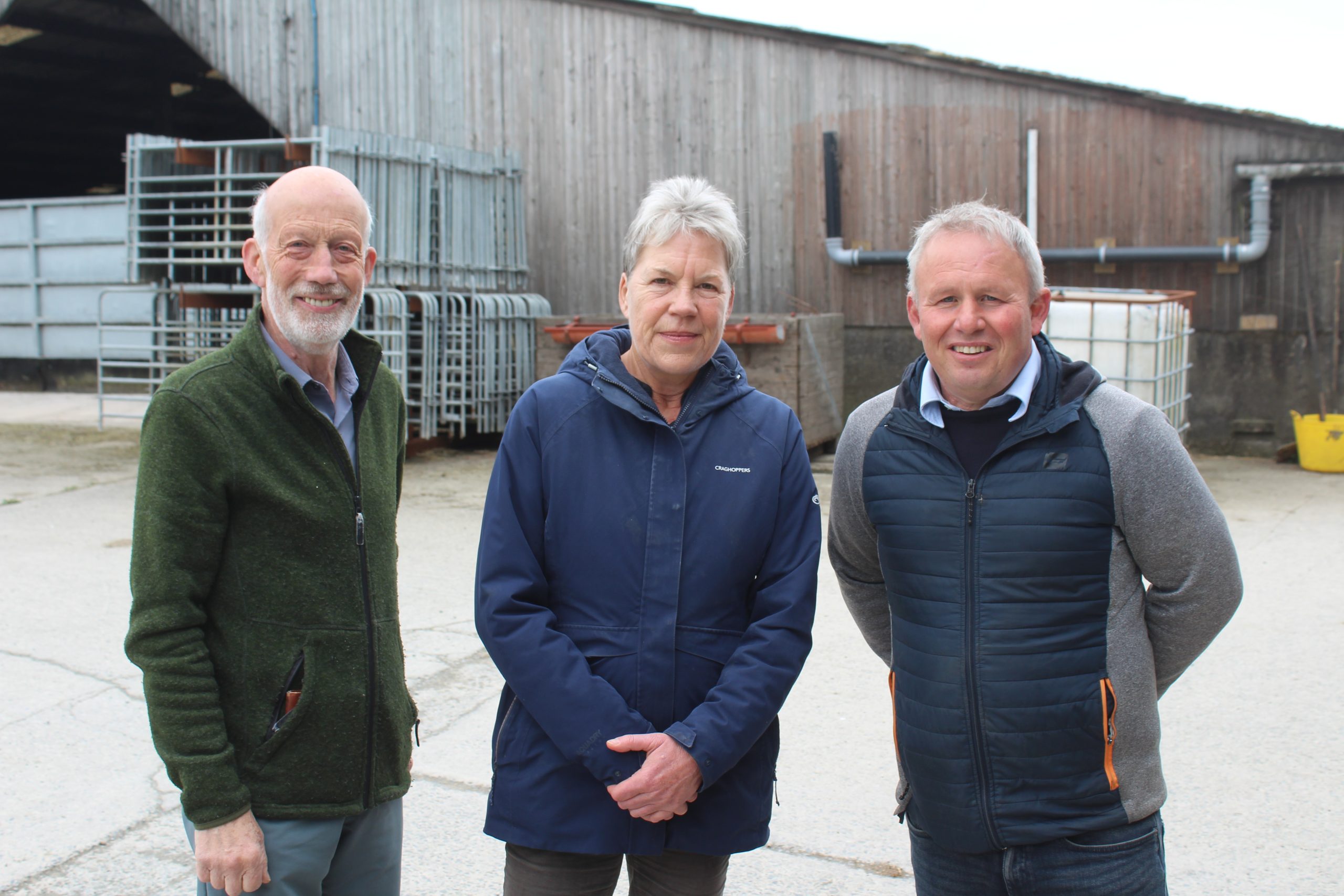
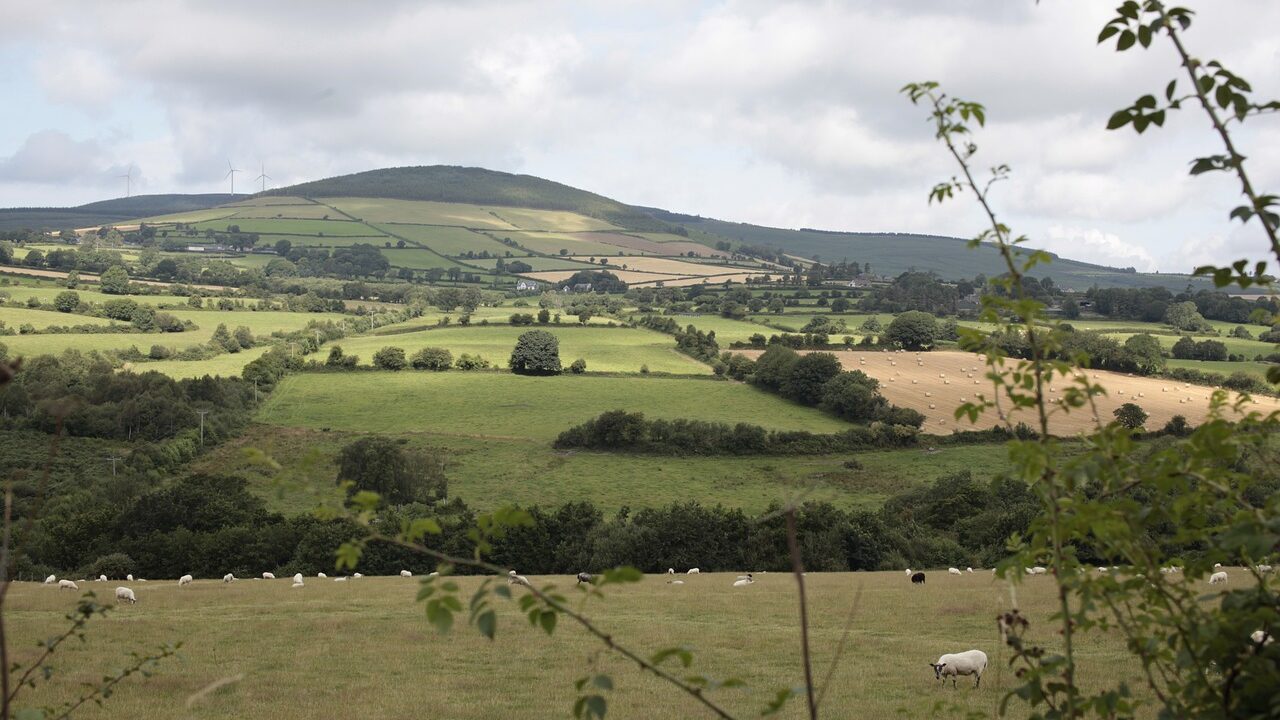
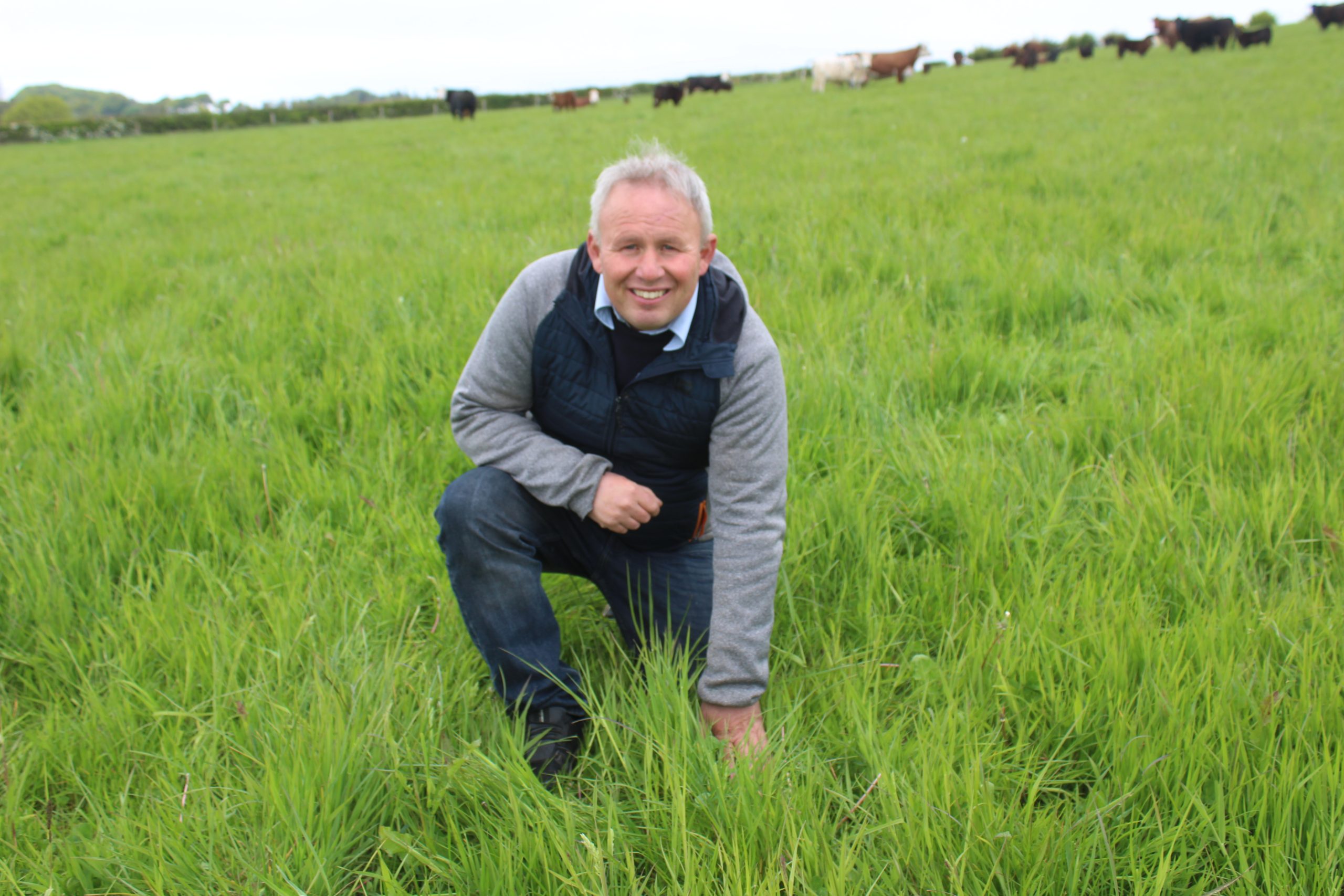
This is the strongly held view of Co. Down farmer Dale Orr, who recently hosted a Northern Ireland regional meeting on behalf of the Soil Association.
Orr also sits on the Organic Producers’ Board of the organisation.
Making best use of forage is the key driver across both his suckler beef and sheep enterprise, according to Orr.
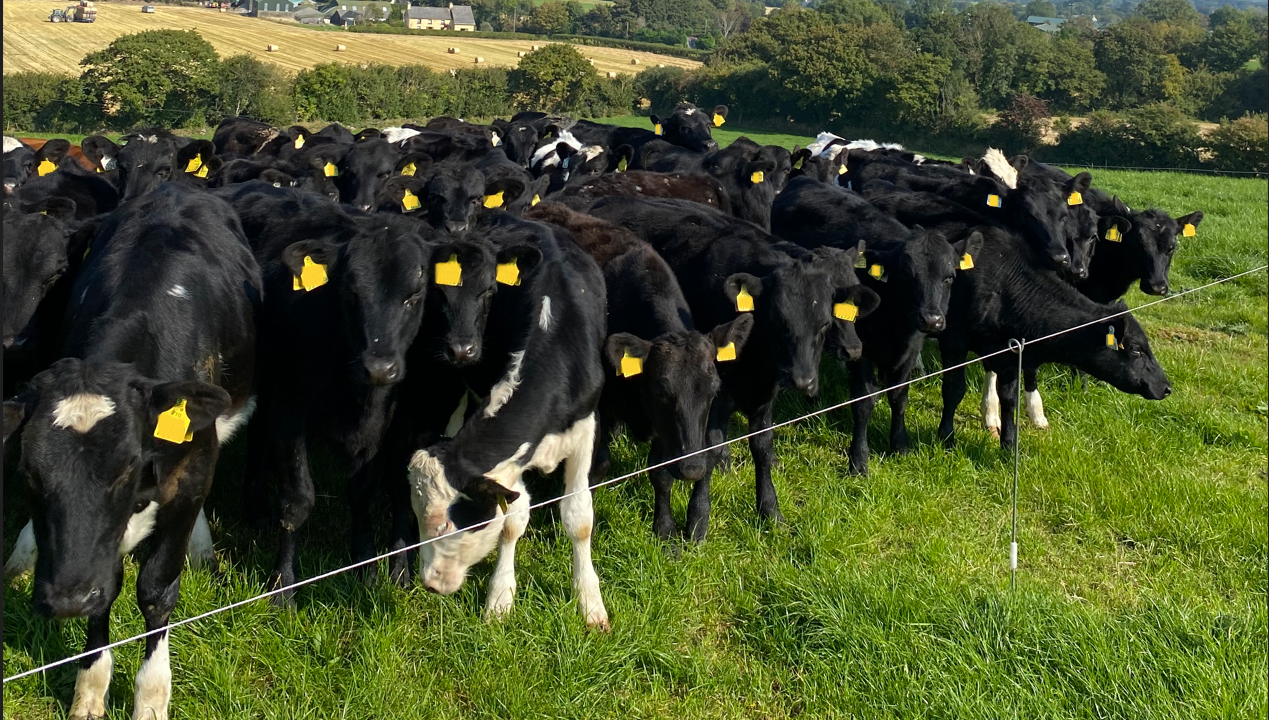
He breeds all his own herd and flock replacements with both cattle and sheep destined for sale brought through to finishing weights.
Orr explained: “Organic production is a fantastic way to farm. It is wholly sustainable, from all perspectives.
“However, Northern Ireland needs a formally agreed target, defining the future scale of the organic sector.
“There is also a requirement for CAFRE to re-open its organic training facilities at Greenmount College.”
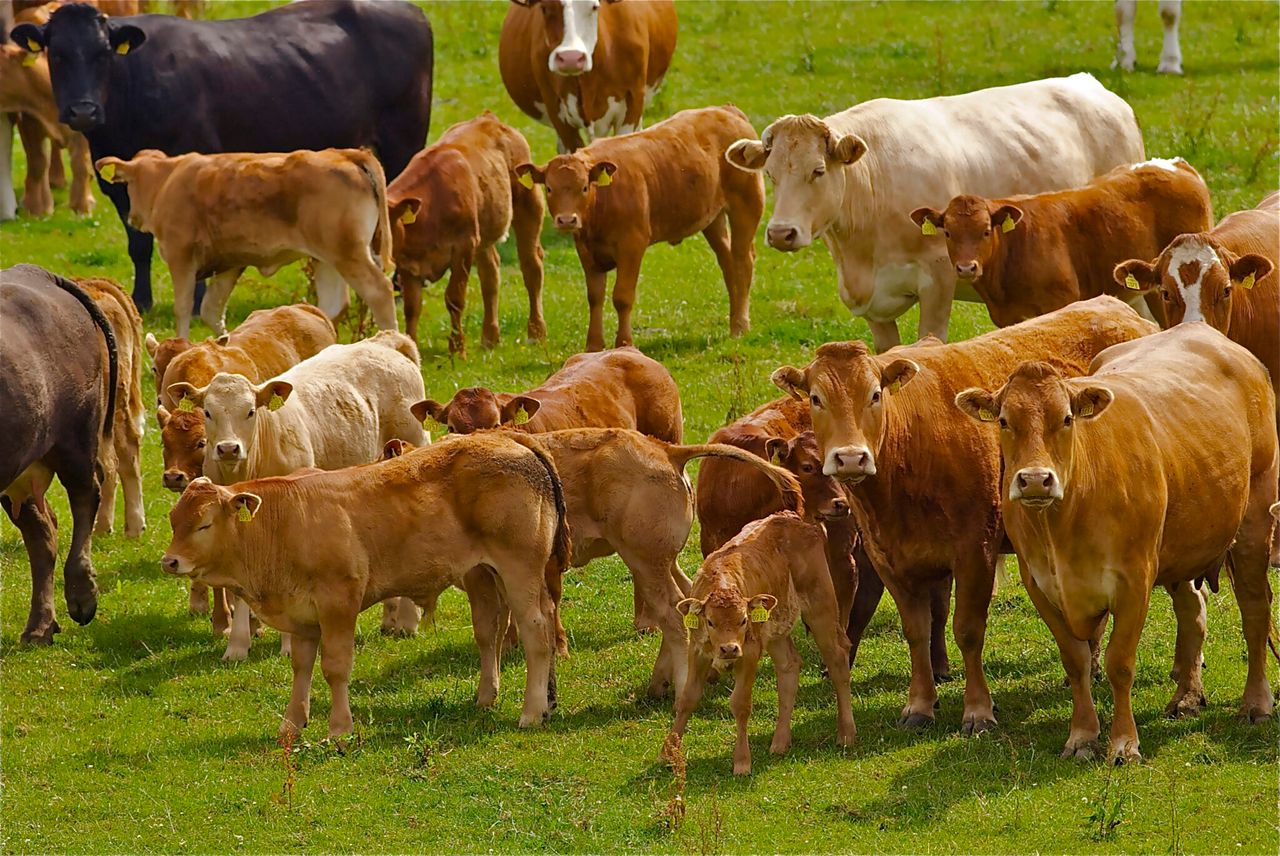
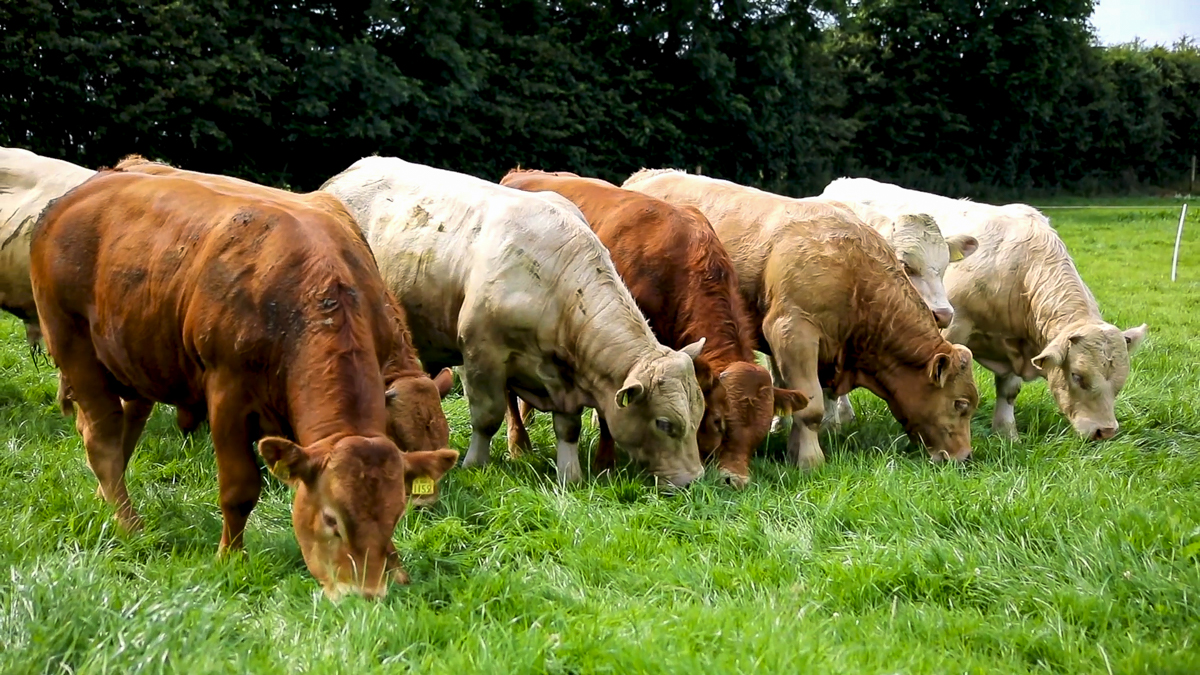
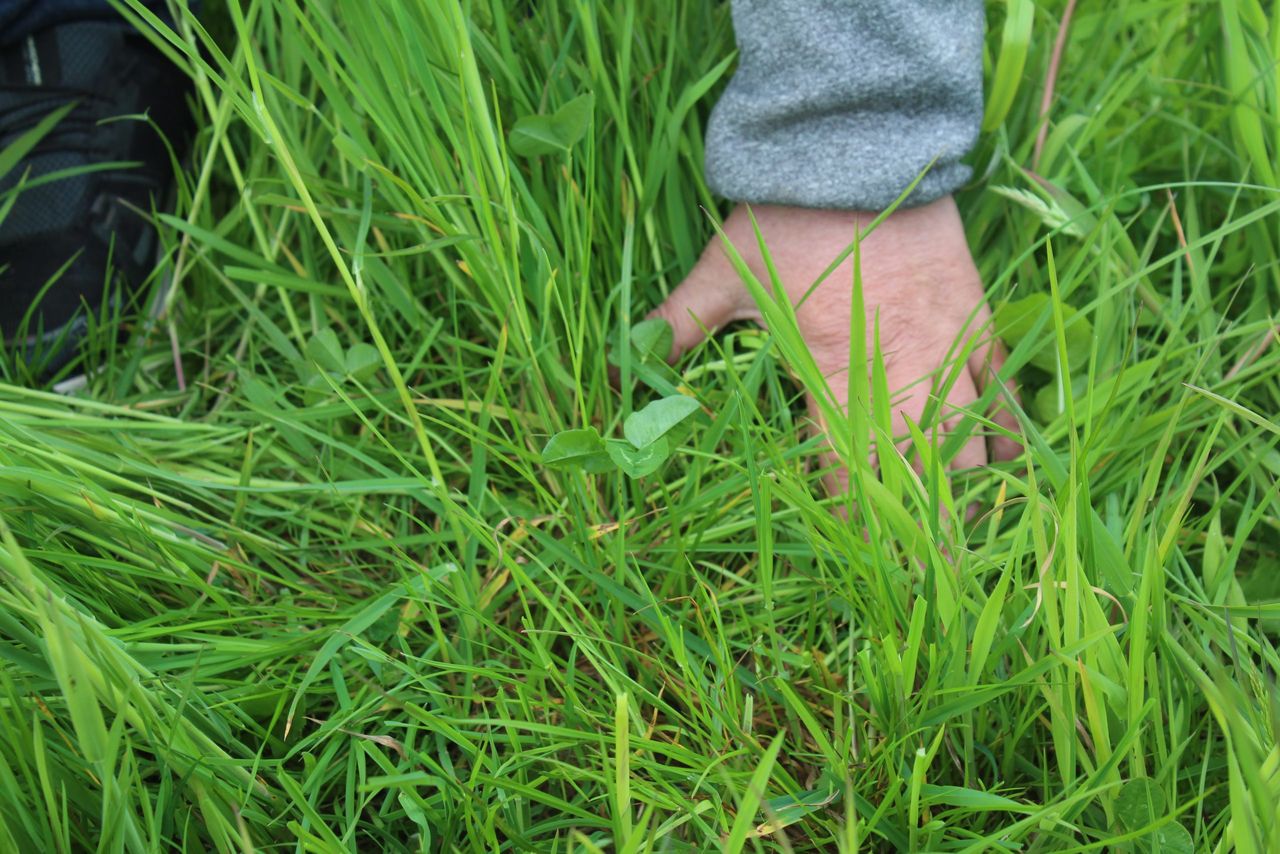
The Orr farm is home to a 43-strong herd of Aberdeen-Angus cross Hereford suckler cows and a flock of Lleyn ewes.
The plan is to increase breeding cattle number up to 50 head. Steers are finished at 28 months-of-age with an average carcass weight of 358kg. Finished heifers are coming in at 308kg.
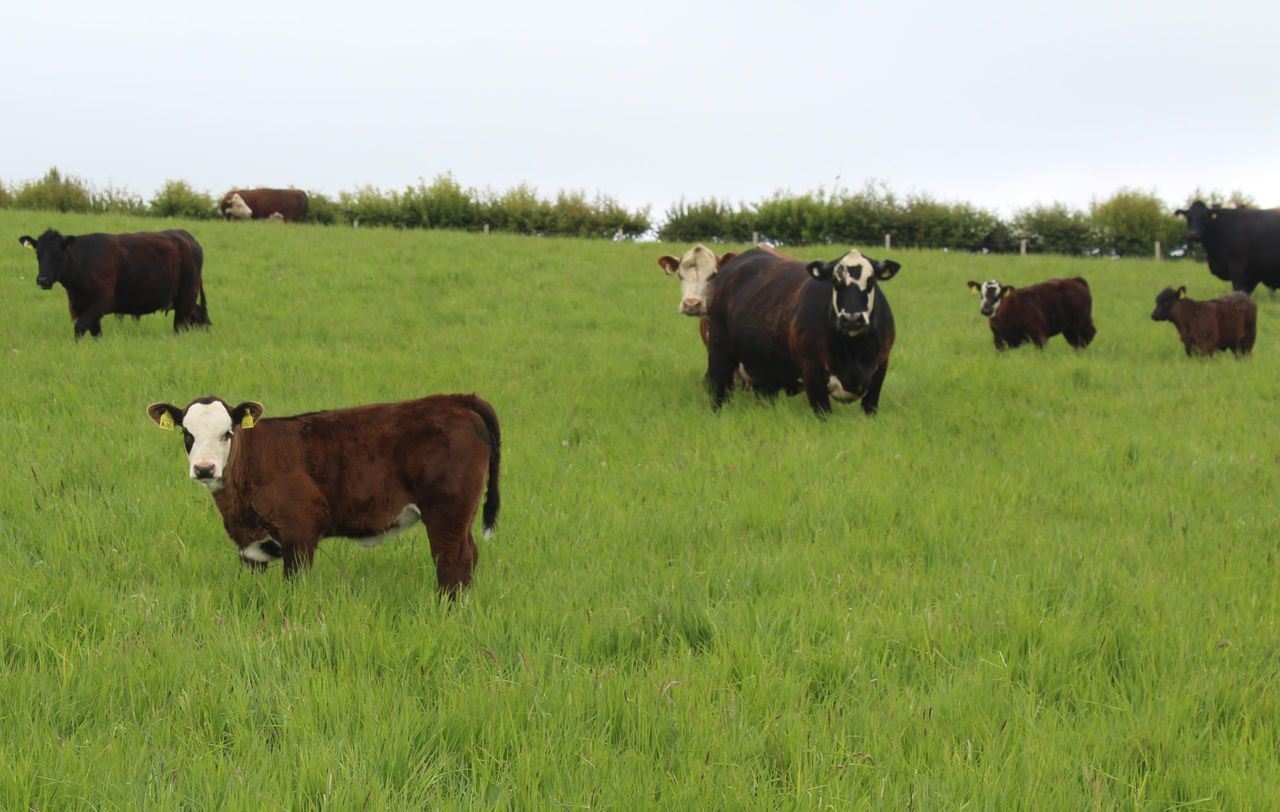
From a forage production perspective, white clover is included in all grass swards.
The slurry and farmyard manure produced on the farm represent important sources of phosphate and potash.
Orr commented: “As an organic farmer, I don’t apply any artificial nitrogen fertiliser, and I can only apply phosphate and potash fertilisers manufactured from natural sources.
“There are issues relating to specific availability of phosphate and calcium on the farm. I use a bespoke organic fertiliser to address this issue.
“High populations of thistles within a sward can be an indicator of calcium deficiency.
“All the ground is limed on a regular basis to correct for spoil pH. However, there is a requirement for additional calcium to be applied above this base level.”
Meanwhile, multi species swards (MSS) have been used to optimal effect on the Orr farm. They now account for one-third of the total grazing area on the farm.
Ewes and lambs are continually grazed on MSS, utilising a paddock grazing system.
In May 2023, Orr established 8ac of lucerne to cut as silage and considers it an excellent feed for the ewes pre lambing. The cattle are also grazed rotationally on the farm.
He said: “I have grass swards with high clover contents and prefer to sow grasses with deep roots such as cocksfoot and tall fescue to improve my soil structure and mitigate the impact of summer droughts.”