Report: Scotland's total farm income rises by 24% in 2025

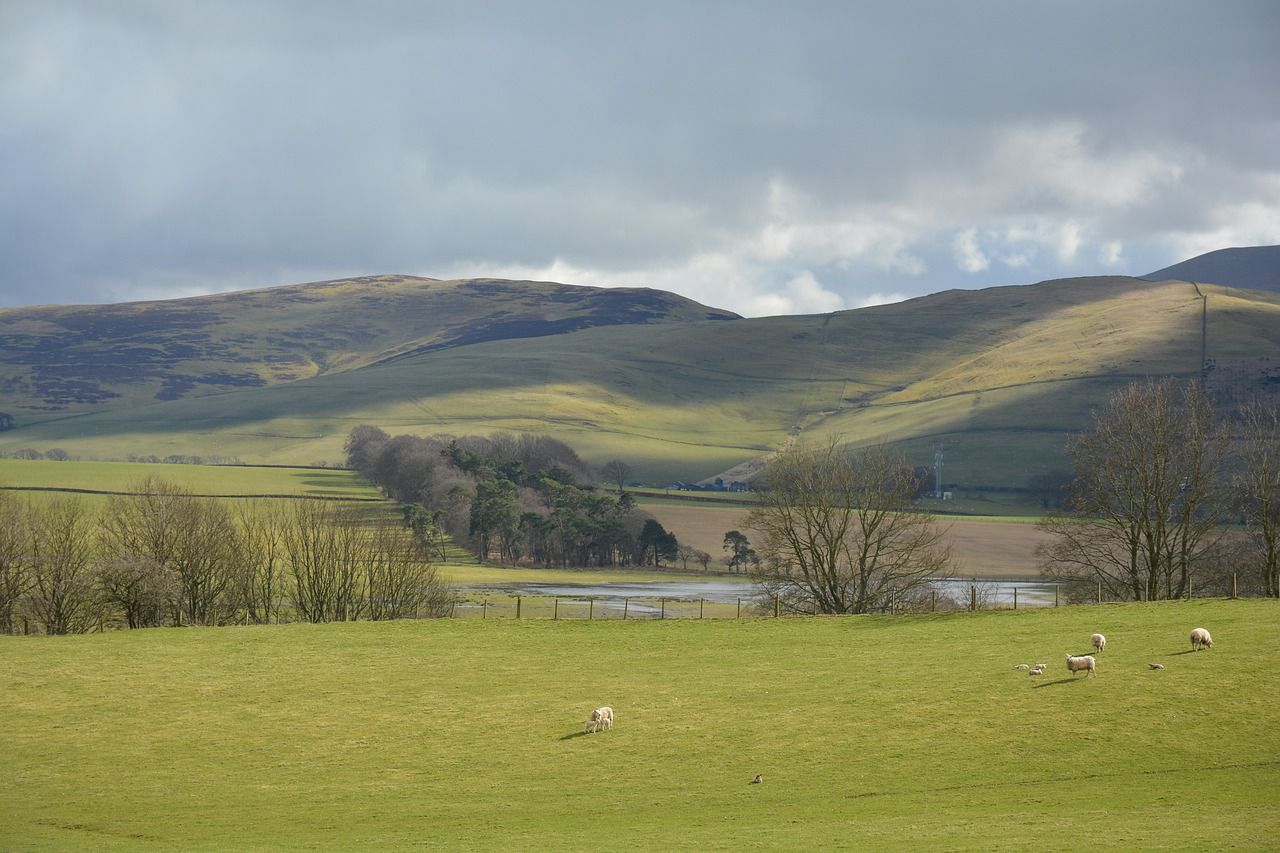
Scotland's agricultural industry made a record high £1.5 billion profit last year due to the country's total income from farming rising by 24% during 2025, according to the Scottish Government.
These figures were published today (Thursday, April 30) within the government's latest farm income report for 2025, which subtracted the agricultural sector's overall output with its overall cost.
The report revealed that initial estimates of farm income increased by £0.3 billion, bringing 2025's total to £1.5 billion.
Gross output of agricultural goods reportedly rose by 8% to around £5.1 billion, while total costs from farming had a minor increase last year, amounting to £4.1 billion.
The Scottish government credited the rise in farm profits to continued high commodity prices within the sector, such as increases in cattle, milk and potato prices.
Beef
Within the report, livestock accounted for more than half (58%) of Scotland's agricultural output as it returned £2.93 billion last year.
Beef was crowned as the largest sector, making up 62% of finished livestock output, with an estimated worth of around £1.1 billion in 2025 - which is a 27% increase on 2024 and the highest on record.
However, the number of cattle finished in Scotland decreased by 5%.
Dairy and sheep
Coming in as the second largest sector, dairy farms and their output had an increase of 9% to £617 million as production increased and prices remained high until the end of 2025.
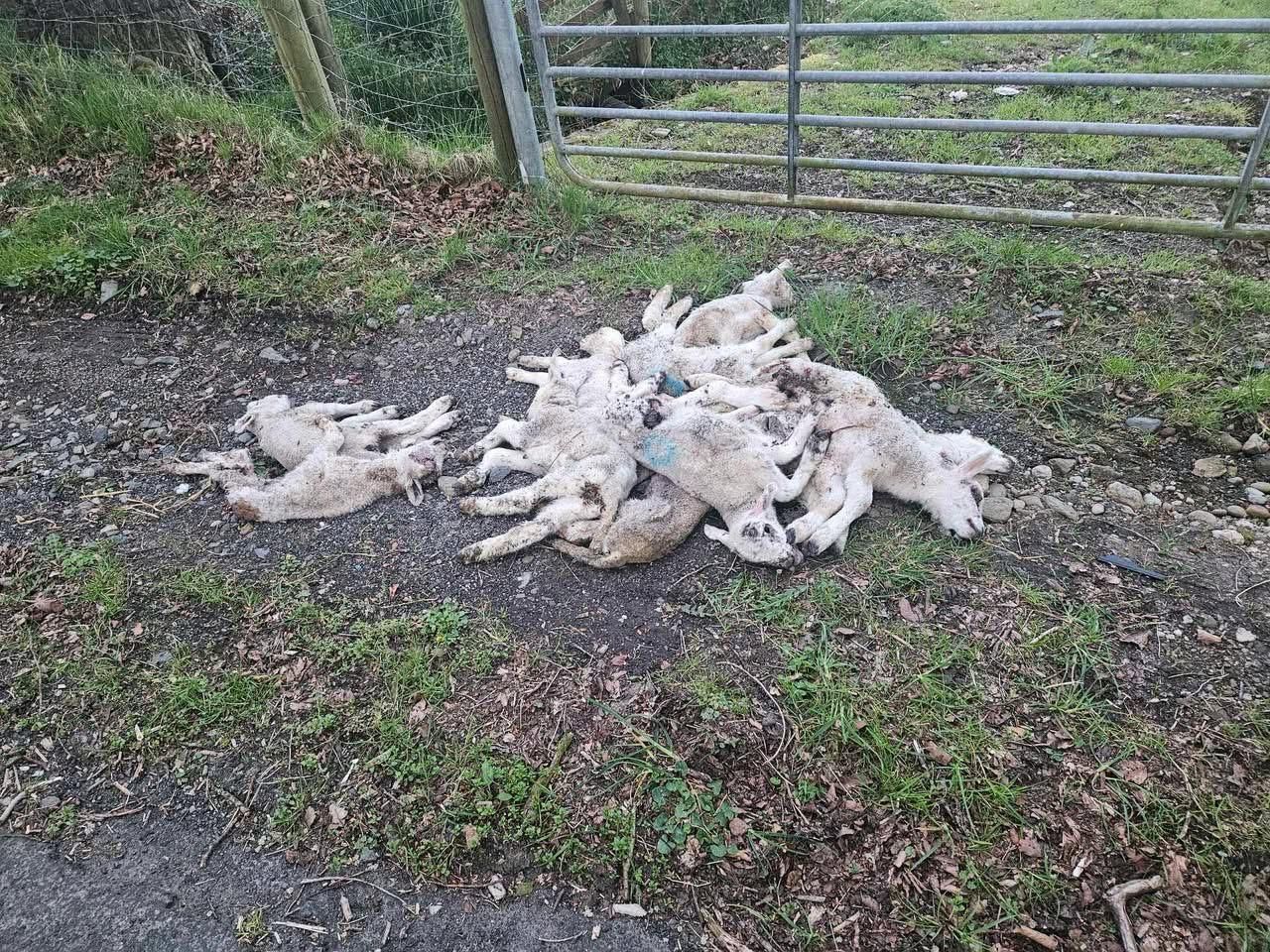
Similar to the beef sector, the value of finished sheep and lambs gained a significant boost last year, as output rose by 18% to £353 million.
The report stated the sheep industry's rising output was driven by increases in market prices while a small decrease by 4% was seen in number of finished sheep and lambs.
Poultry and pigs
Scotland's pig sector was identified as the only industry whose overall output fell in 2025, decreasing by by 8% to £145 million.
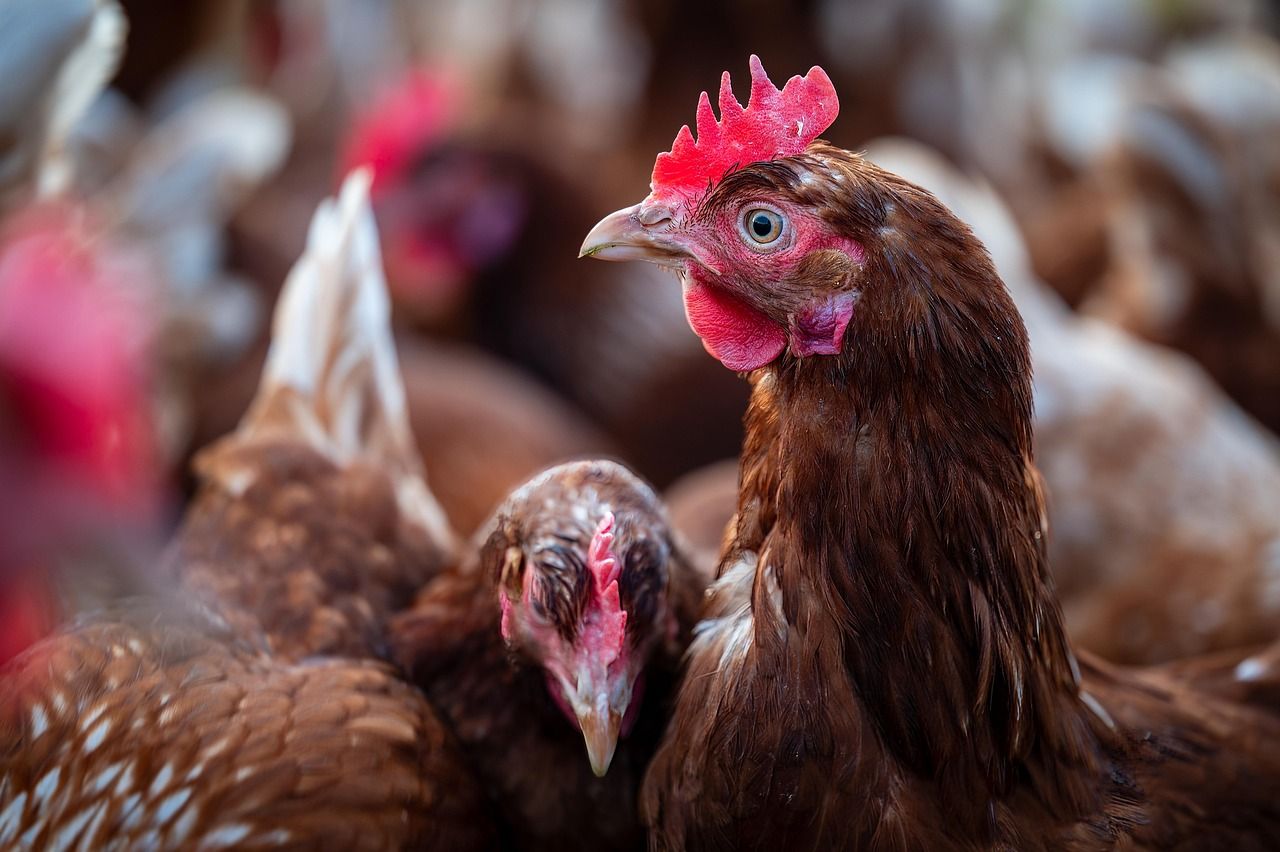
Meanwhile, last year was seemingly a mixed bag for poultry farmers, as while the overall output for poultry did increase by 3% to £104 million, the value of eggs decreased by 3% to £199 million.
The Scottish government suggested that this decline in regular egg prices is likely due to the increasing popularity of free-range eggs.
Crops
Initial estimates from the report noted that 2025 saw a large increase in the value of Scottish potatoes as the crop's overall output surged by 15% to £432 million.
Scotland's total cereal output dropped once again in 2025 for the second year in a row, with barley and wheat's output value standing at £242 million and £227 million respectively last year.
Compared to 2024, the output for barley crops reportedly decreased by 18% in 2025.
The report outlined that this downwards trend with barley is being driven by a reduction in prices and demand for human and industrial use, particularly in the brewing, malting and distilling sector.
However, the output for wheat crops rose by 15% as increases in volume outpaced the drop in prices.
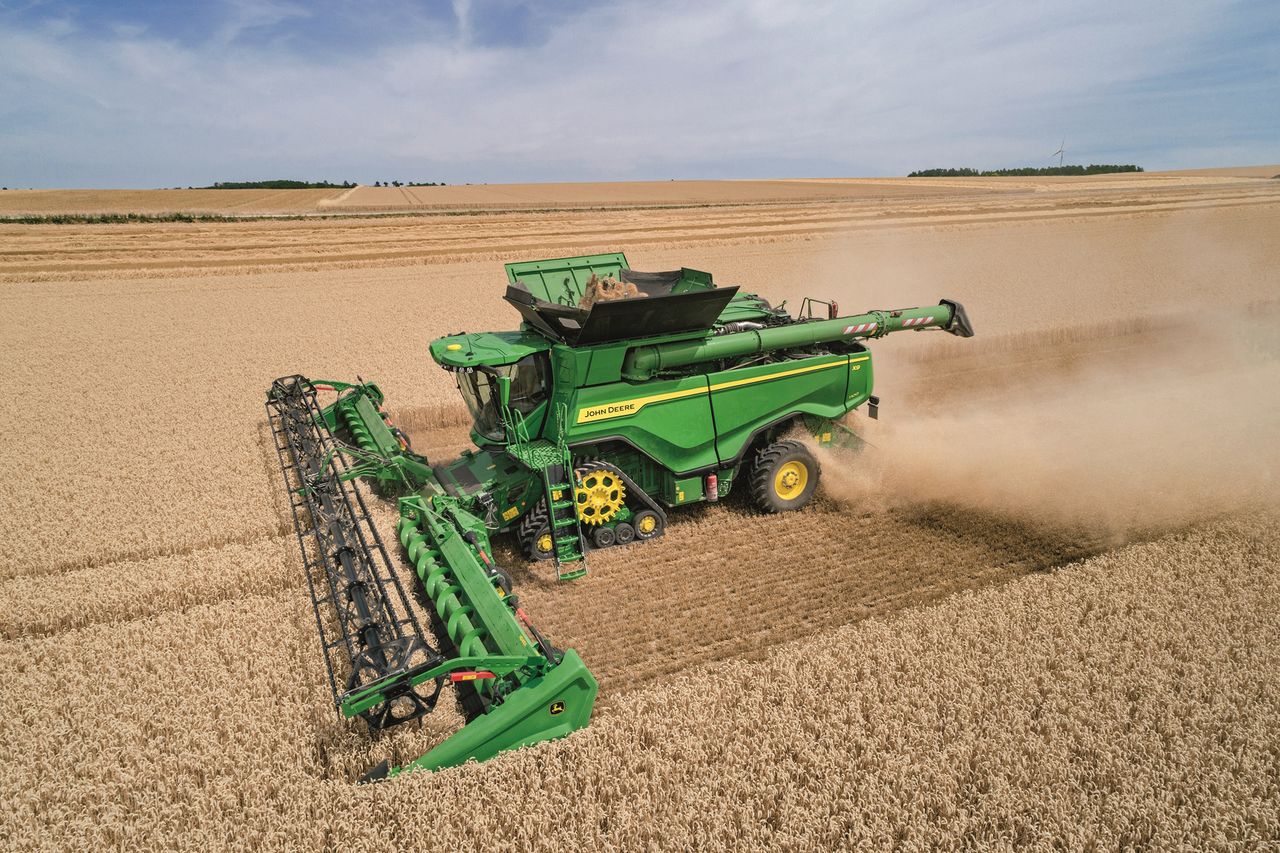
The Scottish government described last year as a "productive year for Scottish wheat", with increases in planting and a 20-year record-high yield resulting in record production in Scotland.
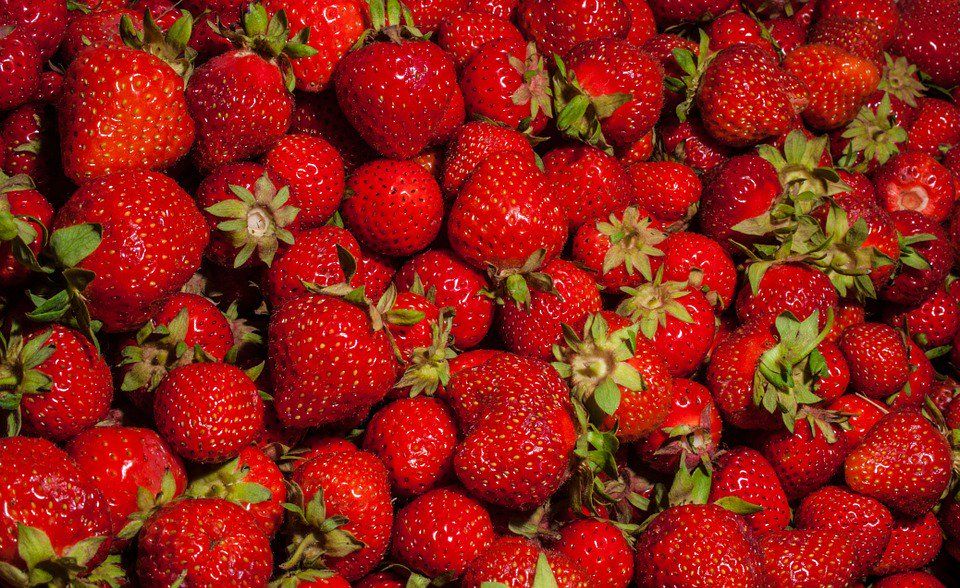
Meanwhile, the fruit sector returned an output of £227 million in 2025, backed by a stable market for Scottish strawberries and a reported increase in the price and volume of other fruits.
The output amongst vegetable producers, which was estimated to be £242 million last year, decreased compared to the previous year as prices and total volume dropped for many crops.
Costs
Total costs to farming in Scotland were estimated to be around £4.1 billion in 2025, representing an increase of 1%.
The report highlighted that, between 2021 and 2025, significant cost increases have been recorded across several areas, notably fertiliser, feed and labour costs.
Continuing their upward trend, labour cost rose by 2% to approximately £929 million last year.
The Scottish government said that feed costs, while still elevated at £779 million in 2025, have eased from their 2022 peak of £920 million, when global cereal prices were at a "record high".
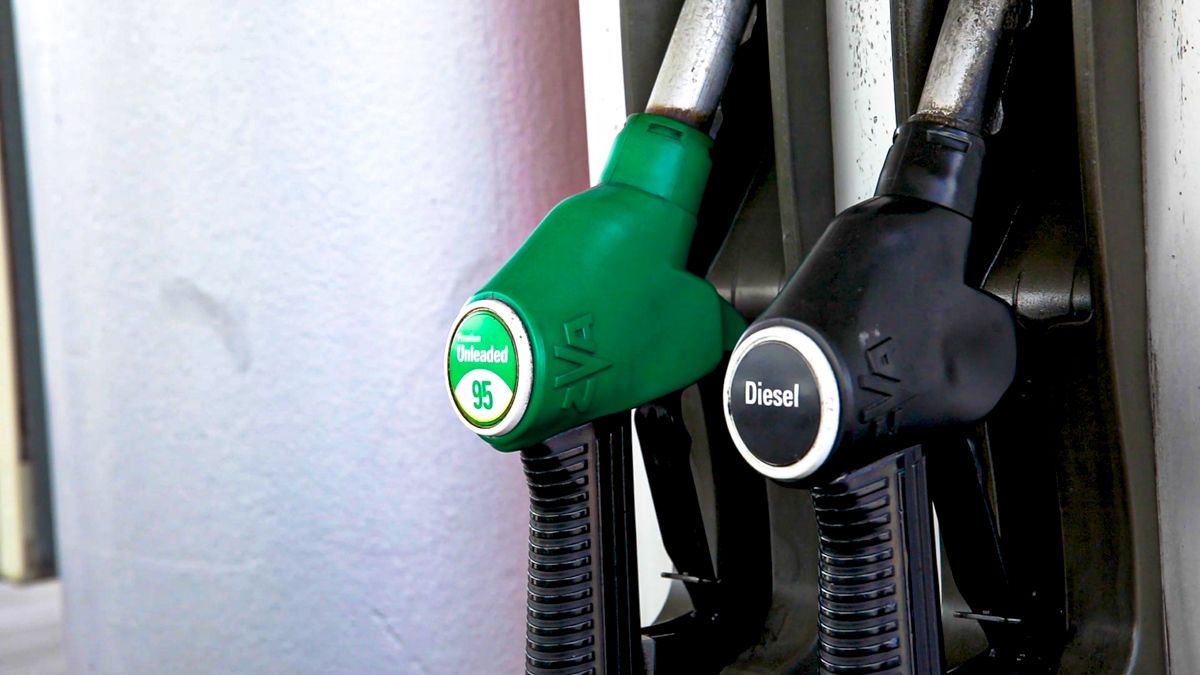
Similarly, fuel and oil costs declined to an estimated £132 last year, continuing a downwards trend from their peak in price during 2022.
Seed costs increased by 17% to reach a figure of £126 million.
Meanwhile, net interest costs decreased as interest rates eased from their 2024 high.
The report also noted that consumption of fixed capital, which reflects depreciation of assets such as livestock, buildings and machinery, showed some reductions for cattle and sheep last year.
It added that these output and cost estimates for 2025 remain provisional and will be revised bext year as more comprehensive data becomes available.