

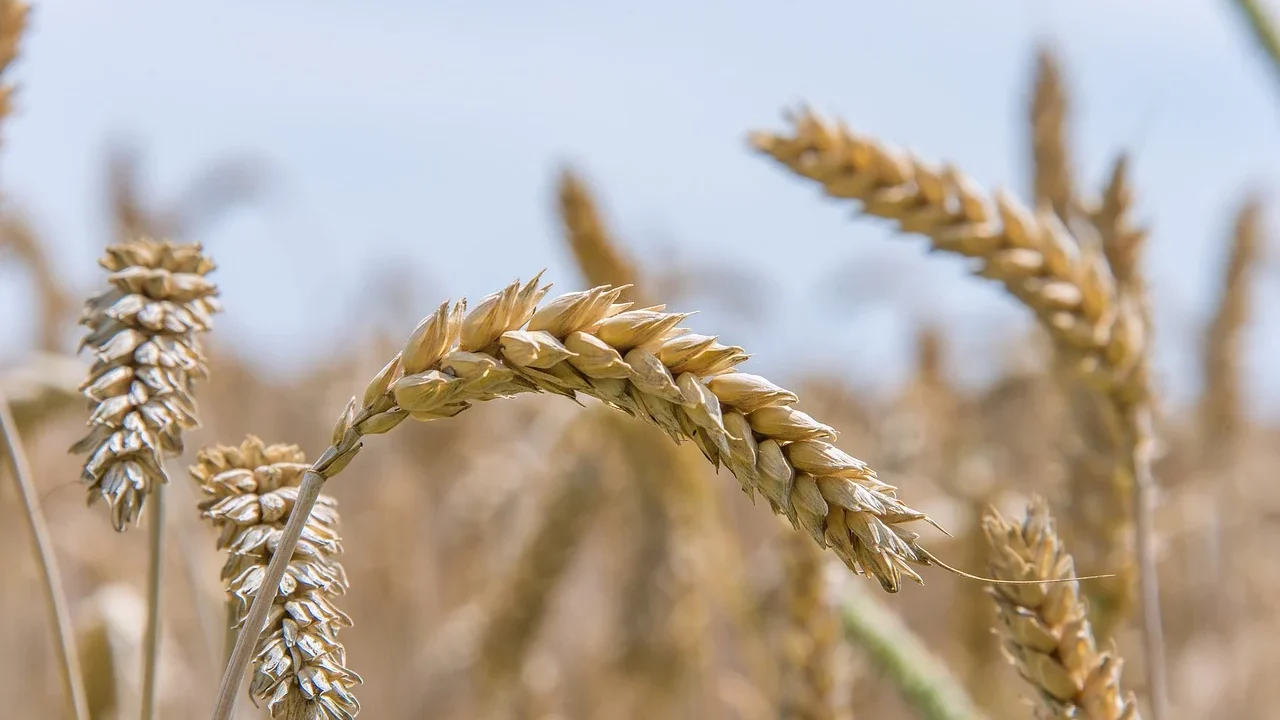
A newly identified strain of yellow rust is threatening winter wheat crops, prompting a rapid and coordinated research response in the UK to protect future harvests.
Detected in 2025, the new strain has overcome the resistance gene Yr15, which until now had provided effective protection in many leading wheat varieties.
As a result, more than half of the UK’s wheat area is now potentially vulnerable, including the three most widely grown varieties.
The same levels of yellow rust threat within Irish wheat crops have also been confirmed by Teagasc.
In response, UK Research and Innovation (UKRI) and the Department for Environment, Food and Rural Affairs (Defra) have awarded a ‘rapid response’ grant to a national collaboration.
This development brings together: rust pathology and wheat genetic and genomic expertise from the John Innes Centre; and the long-standing wheat disease monitoring capability of the National Institute of Agricultural Botany (NIAB); in tandem with the engagement through the Defra Wheat Genetic Improvement Network (WGIN) led by Rothamsted Research.
The research focuses on identifying new sources of yellow rust resistance from the historic Watkins’ collection of wheat landraces.
Using advanced genomic tools, the team will pinpoint resistance genes that can be introduced into modern wheat varieties, reducing reliance on fungicides and strengthening long-term crop resilience.
Rothamsted said that through WGIN, it is “supporting rapid knowledge exchange between researchers and breeders, helping ensure that new resistance traits can be deployed quickly in varieties grown by UK farmers”.
The project also links with international partners, including the International Maize and Wheat Improvement Centre (CIMMYT) to ensure that newly identified resistance genes can be used beyond the UK as yellow rust strains continue to spread.
Rothamsted said: “By mobilising rapidly and working collaboratively, we are helping safeguard UK wheat production against an evolving disease threat and building resilience into future crops.”
Irish winter wheat
It is estimated that approximately 75% of the winter wheat varieties referenced in the Department of Agriculture, Food and the Marine (DAFM) recommended list for 2025/2026 are susceptible to the new yellow rust strain.
This translates to a cropping area figure of 90% plus in relation to wheats sown out last autumn.
In response, agronomists are strongly advising growers to apply T0 spray containing a proven yellow rust chemistry.
The role of sulphur in this regard has also been highlighted.
