‘Sustainable growth is a must’ for all dairy stakeholders – Dale Farm CEO
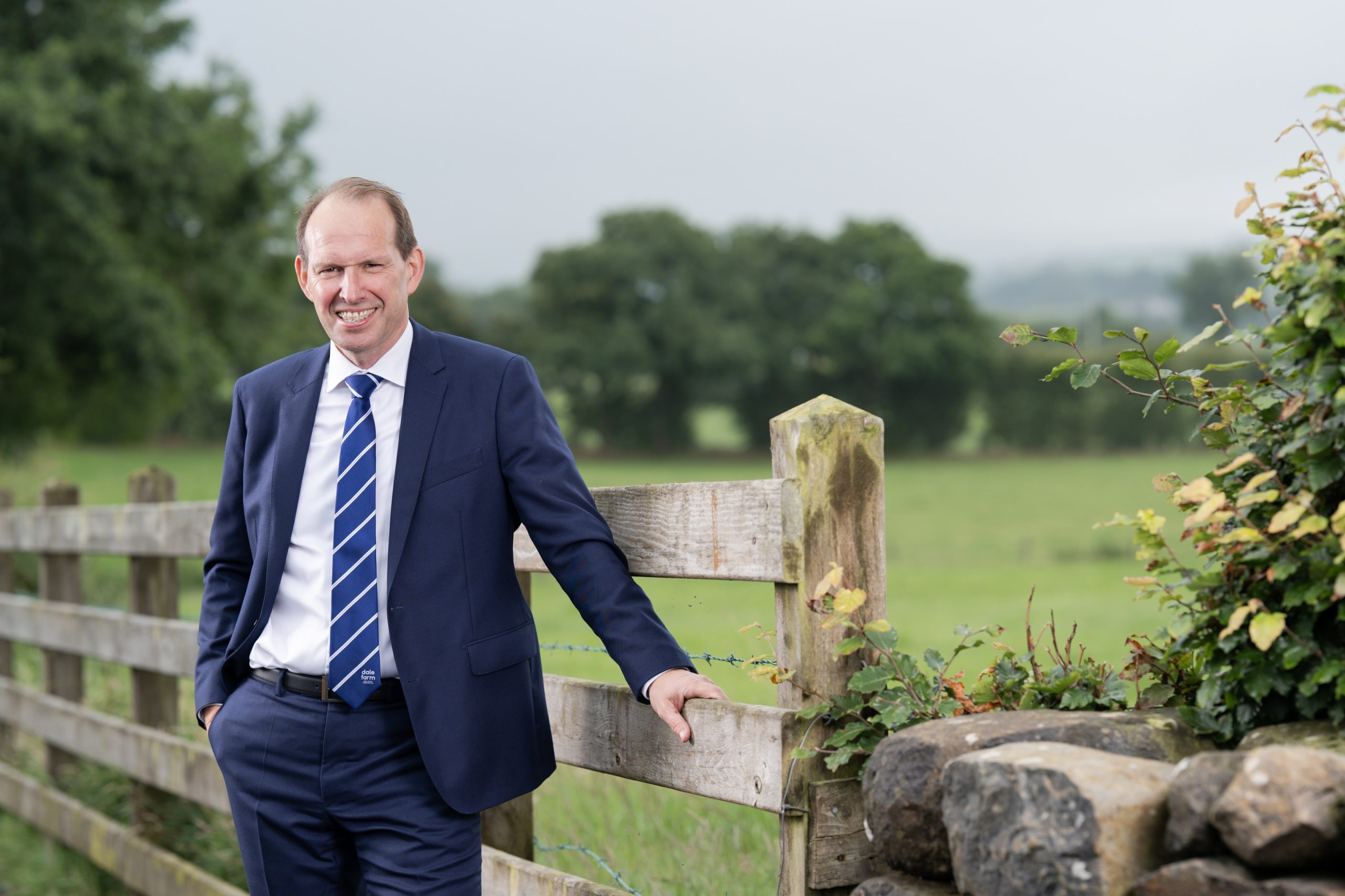
Dale Farm is using Balmoral Show 2026 as a platform to profile its significant investment plans for the future.
This follows the completion of another exceptionally strong business year for the farmer-owned dairy co-op.
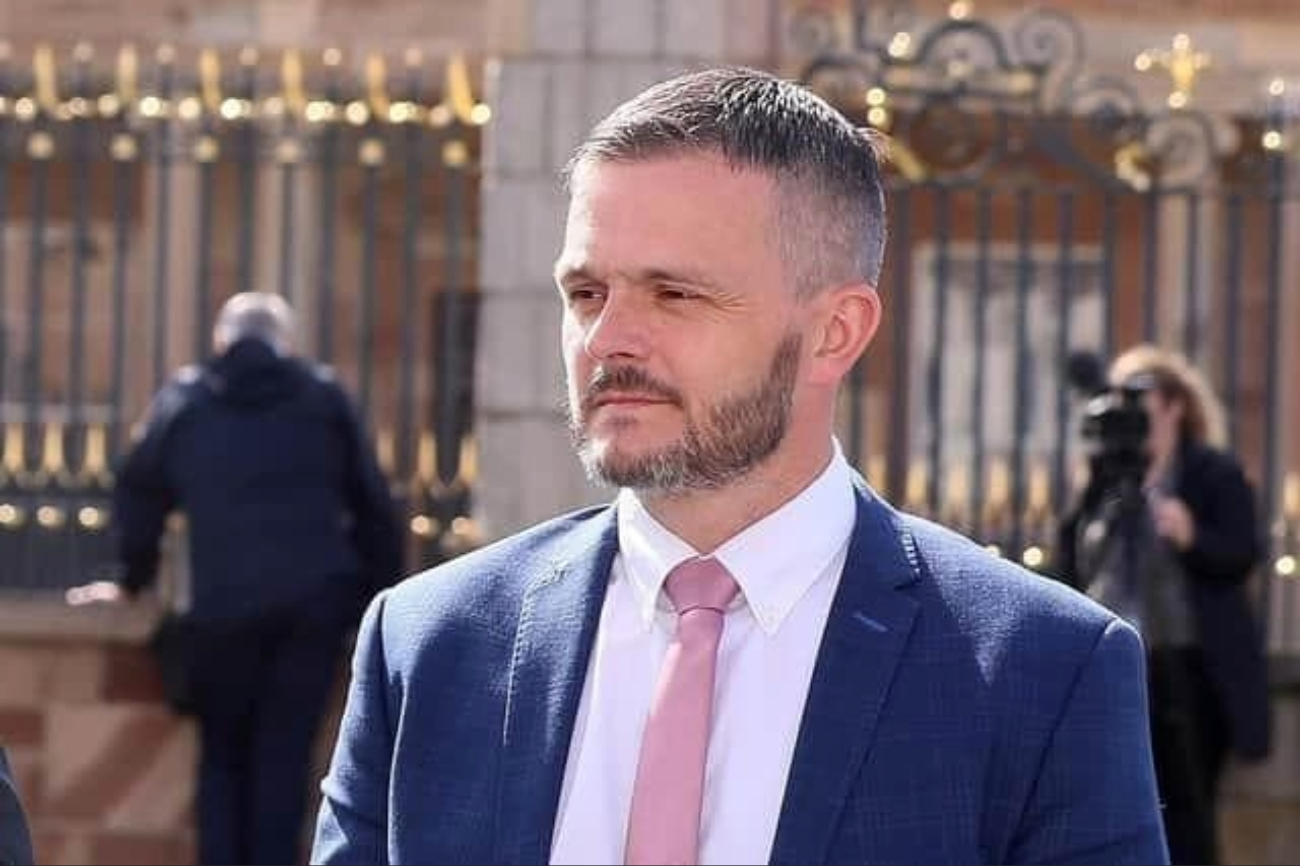
Dale Farm’s Group chief executive, Nick Whelan, explained: “Our business year ended on March 31 past.
He continued: “However, we won’t be in a position to go public with full results for the last financial year until June.
“Our milk suppliers have seen the outworking of these results as the board agreed a thirteenth payment of 1ppl on all litres supplied in the 2025/2026 year, which was paid out in April.”
A combination of three factors has driven growth at Dale Farm, according to Whelan:
- A 16% increase in the milk volumes supplied to the processer over the past two years;
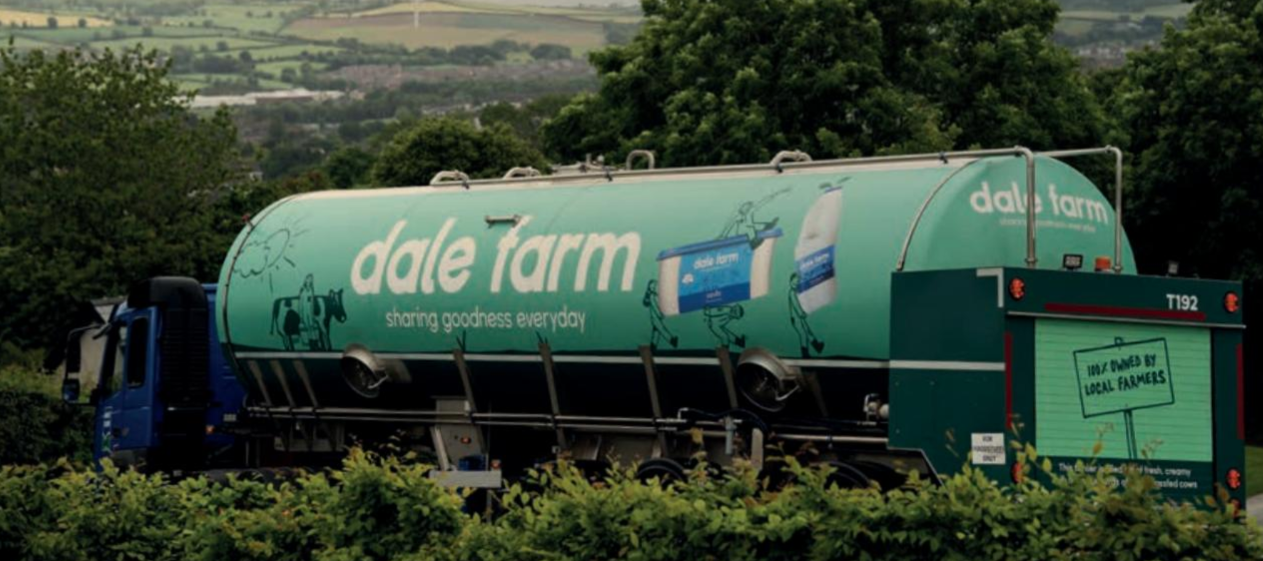
- The coming on stream of its new cheddar capacity at Dunmanbridge, bringing capacity to 80,000t;
- The ability to sell the additional cheese produced to customers in 40-plus countries around Europe, North Africa and the Middle East.
Whelan said: “Initially, we thought it would take six years to meet the full capacity of the new cheese plant.
“As it turned out, we achieved that milestone in one year, given the favourable economics and weather experienced last year.”
In response to these developments, Dale Farm has committed to bolstering the capacity of the cheddar facility by adding an additional 20,000t capacity at the Dunmanbridge site.
“Work has already started to this end. It should be completed in October of this year,” Whelan said.
“At that stage, Dunmanbridge will have an annual cheddar production capacity of 100,000t, making it the largest facility of its kind in Europe.”
Milk production
Meanwhile, international milk output continues to grow.
“We are looking at global year-on-year increases of 4% since the beginning of the calendar year,” the Dale Farm representative commented.
“But in countries like Germany, the comparable figure has come in at 6.7%.”
Throughout most of 2025 and the first two months of this year, a number of factors have combined to deliver enhanced milk volumes.
These included strong calf prices and an attractive milk-to-feed price ratio.
Adding specifically to these factors in Northern Ireland has been the availability of improved genetics; the greater availability of new technologies; and the improved management skills that have been consistently applied by local dairy farmers.
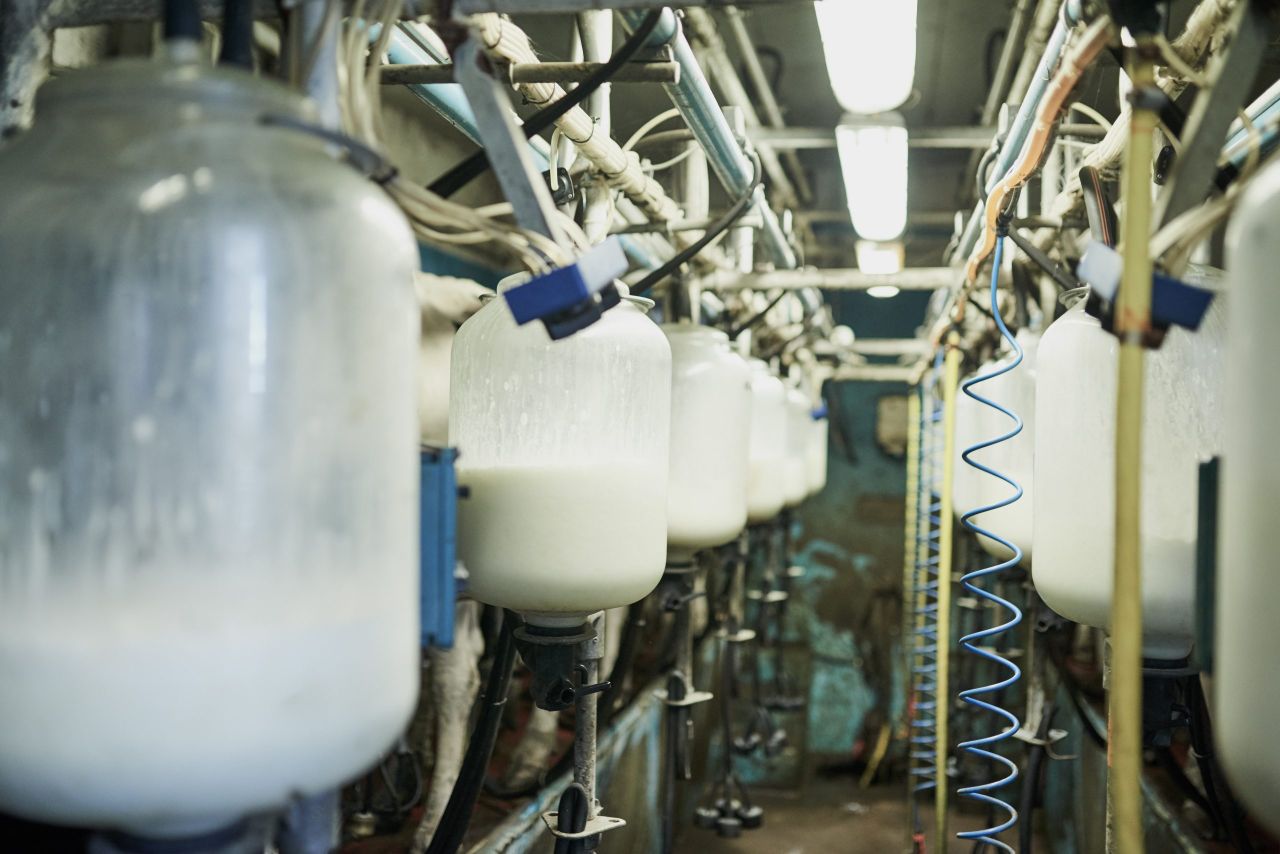
“Over the past five years, we have seen the average milk sold per cow on Dale Farm supplier farms increase from 7,200L per lactation to over 8,000L.
“By any yardstick, this is a significant level of improvement in cow performance,” Whelan said.
Market demand
The global increase in milk output has however outpaced demand for the majority of dairy products in recent months.
This has been evident as market prices have corrected downwards over the past six months.
Milk producers have been protected somewhat through this period but ultimately the markets impact milk price paid, which has been evident since February within the Dale Farm milk pool.
The market weakness alone would be concerning enough for farmers, but is currently exacerbated by political unrest created by the ongoing conflict in the Persian Gulf.
“Fertiliser, fuel and feed prices have strengthened significantly since the end of February,” Whelan said.
“As a result, significant numbers of Dale Farm suppliers are now operating at or below their cost of production.”
Looking ahead, Dale Farm’s group CEO sees a future for dairy that is borne out by their ongoing investment plans.
Sustainable growth
He highlighted that Northern Ireland is an exporting region.
“To compete globally we must be able to demonstrate sustainable production and processing practices to enable growth in revenue for Northern Ireland’s dairy sector,” he stressed.
“Sustainable growth is a must for all players in the dairy industry.”
Whelan noted that the long-term global demand for dairy products continues to strengthen
“But food retailers and consumers totally buy-into the sustainability agenda in every sense and the collective industry must embrace this – the same must be said of the Stormont Executive,” he said.
The Dale Farm’s group CEO added that Northern Ireland has a “uniquely advantageous” sustainability support scheme already in place.
He said: “It is based on three pillars: carbon reduction, improved genetics and a comprehensive soils scheme, with a funding commitment ring fenced to aid delivery.
“But we need to see change implemented at a much faster pace, where these government policies are concerned.”