

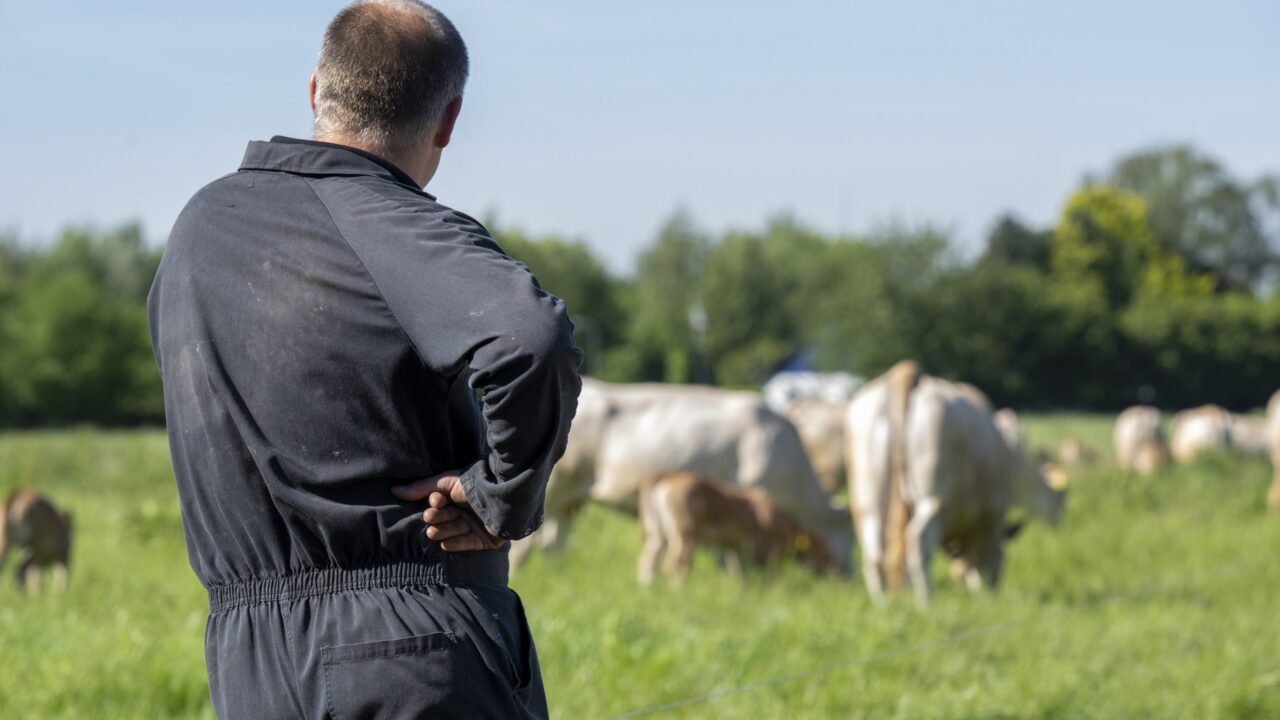
Newly appointed Ulster Farmers’ Union (UFU) president, John McLenaghan has referenced his priorities for agriculture in Northern Ireland.
These include the securing of growth and sustainability profitability across the industry.
But his most important goal is that of re-instilling a sense of pride within production agriculture.
He added: “Farming has been under a lot pressure for many reasons over recent years. And this has played a toll on many farmers’ sense of self image.
“But the reality is that farming is the most important way of life that can be followed within any society. And this key fact must be proactively communicated by the UFU on every possible occasion.
“It’s very much a case of farmers having pride in everything that they do and being acknowledged accordingly across society as a whole.”
As it turns out the new UFU president will not have to wait long for his priorities to be tested.
Nutrients Action Programme
The coming weeks will see a report published by a stakeholder working group, established by Northern Ireland Minister for Andrew Muir, to plot a way forward, where the development of the region’s new Nutrients Action Programme (NAP) is concerned.
Last year saw significant farmer protests across Northern Ireland against the original NAP proposals, which were perceived as being very anti-production agriculture in nature.
The UFU committed to participate in the work of the stakeholder group, which drew its membership from across the widest spectrum of bodies operating in the farming, food and environmental sectors.
Fuel costs
Meanwhile, production costs across agriculture in Northern Ireland continue to increase with McLenaghan’s UFU team particularly focussed on getting Westminster to agree some form of support package where farm fuel costs are concerned.
And it is an approach that has paid off with UK Chancellor Rachel Reeves, agreeing a temporary reduction in the duty paid on red diesel: from 10.18p/L down to 6.48p/L.
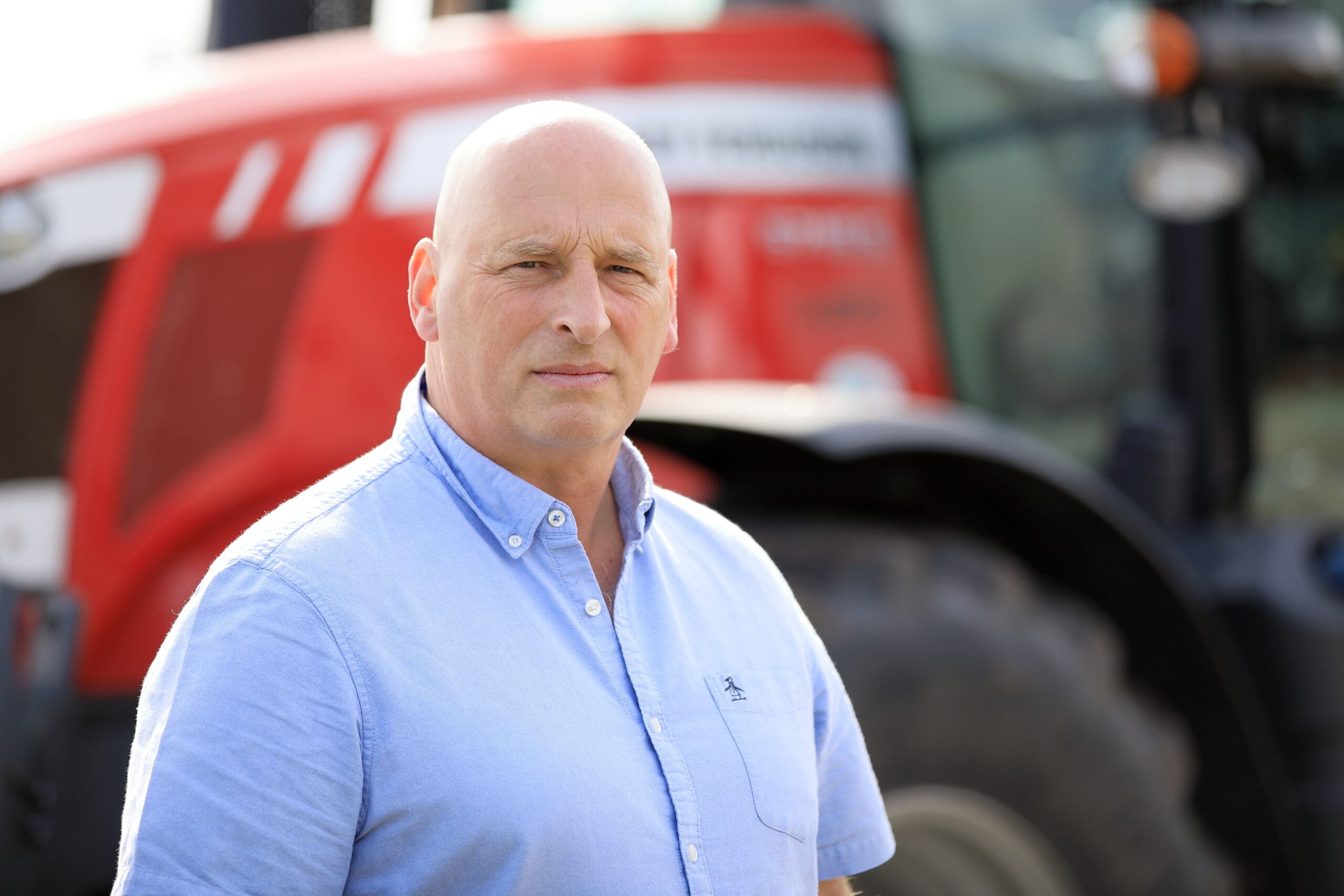
John McLenaghan commented: “The UFU welcomes this announcement, particularly the temporary reduction in red diesel duty.
“Red diesel is not a discretionary cost for farmers; it is an essential input used every day to produce food, manage land, keep farm businesses operating, and ultimately deliver high quality, affordable food for consumers.
“Farmers and rural communities have faced severe fuel and input cost pressures with very limited direct assistance.
“This measure is a welcome first step and recognises the immediate pressure that rising fuel costs are placing on agricultural businesses.”