

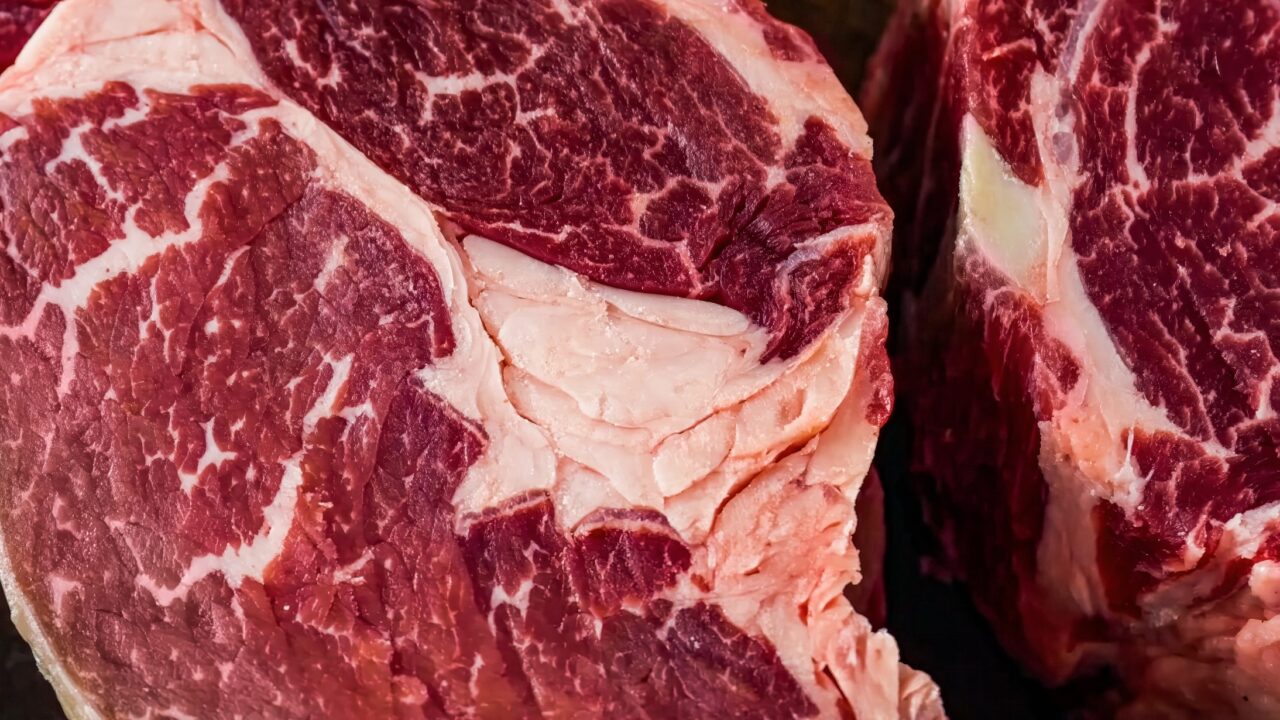
While restaurants in the UK have started to expand their menus after several years of “tighter menus”, the proportion of red meat options available is still down from its 2024 peak.
According to a new report by the Agriculture and Horticulture Development Board (AHDB), the share of red meat on UK menus is now down 2.5 percentage points to 24.0%.
The eating-out market is still finding that UK consumers are swapping to alternatives, with financial issues one of the driving factors behind this trend, the report said.
A third of consumers surveyed said their finances have worsened in recent months, while “57% say they plan to cut back on eating out”.
The impact of these monetary strains on British households has already led to a 0.5% decrease in out-of-home food spending year-on-year.
Despite this, red meat remains an important driver of spend in restaurants.
Meals featuring beef or lamb command higher average prices, which according to AHDB is “reinforcing their role as quality and occasion-led choices that can help operators lift margins”.
| Meal occasion | Average spend |
| All meal occasions | £15.11 |
| Red meat meals | £15.31 |
| Beef | £17.08 |
| Lamb | £26.22 |
| Pork | £11.99 |
At the same time, red meat faces increasing competition in the British market.
Poultry continues to gain share, supported by a lower price point and ongoing innovation that keeps it feeling accessible and versatile.
Rise of pork
Within red meat, pork stands out as the only item to have significantly grown its menu share over the past five years.
AHDB believes UK restaurants are using it to “anchor value”, positioning pork as a more affordable alternative while driving menu innovation.
The report shows that of the average number of red meats menu items, pork has the greatest number at 17, up from 14 in 2022, while beef has on average 11, up from 10, and lamb has two, up from one.
So while red meat has been losing its menu share, the amount of available red meat items is rising, showing that the food is being used in different ways, which may help it gain back that share.
Pork is also gaining ground in burgers, a category long dominated by beef.
Overall, pork is being included in far more UK meals (such as Tesco’s pork pie sandwich or McDonald’s McGriddle) to try something different, especially when it feels like better value than alternative red meats.
Luxury lamb
Lamb has emerged as the go-to protein for global flavours and elevating dishes to a higher standard.
As seen in the table above, lamb is costing far more than its red meat counterparts.
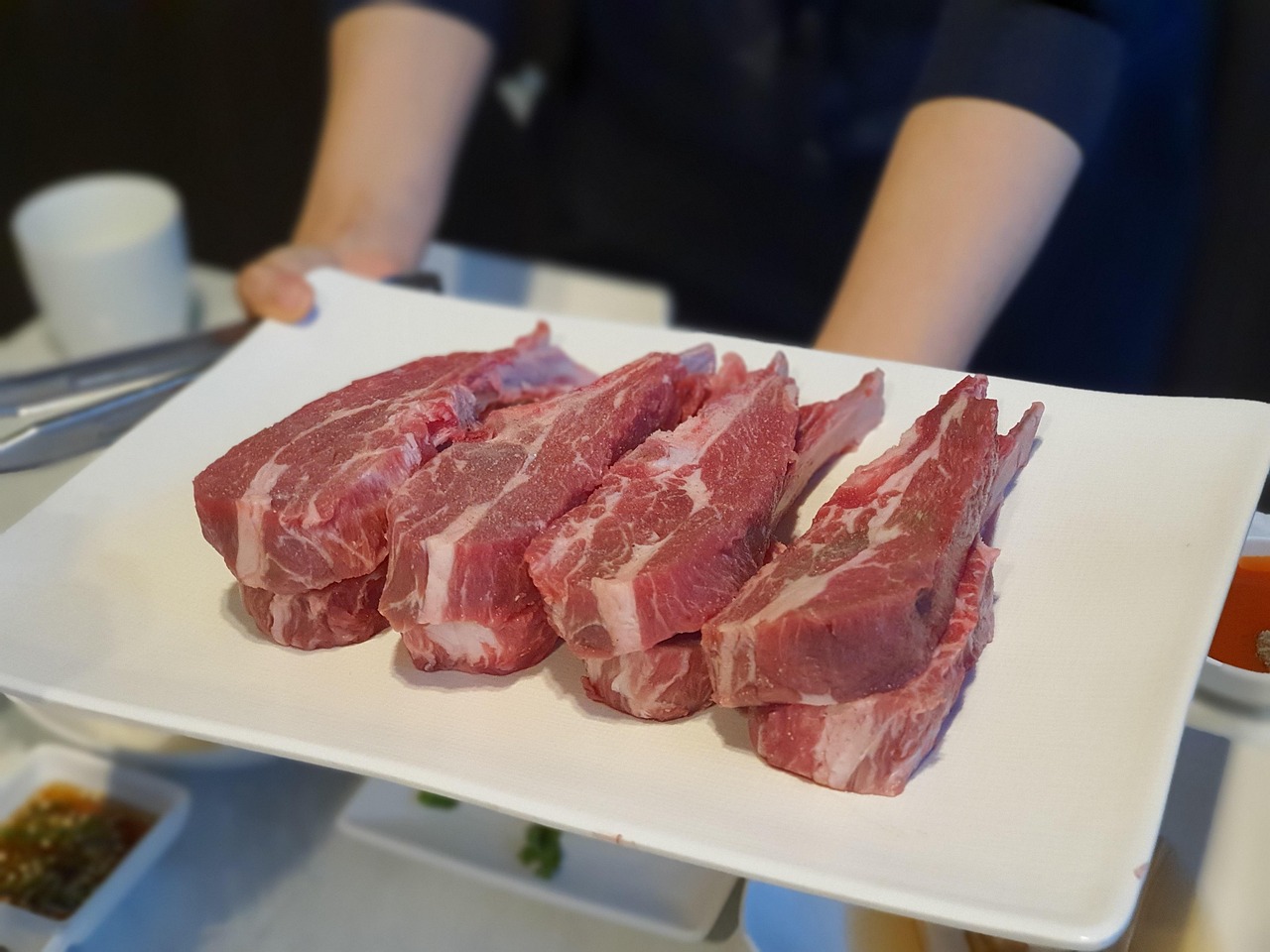
Lamb is notably more expensive to produce than pork or beef, namely due to the smaller amount of meat produced per animal.
Lambs need a significant area to graze to reach market weight, combined with the increased labour and management costs to avoid disease and predator proof pens.
At the same time, slow-cooked cuts are driving “indulgent, premium-feeling dishes, like ragus and pies, offering strong value for both consumers and restaurants,” the report said.
Beef struggles
British demand for beef has been heavily impacted by ongoing inflationary pressures.
AHDB found that out-of-home volumes dropped by 3.7 million kilograms over the past year, and that its role on British menus is also changing.
While burgers still account for the greatest share of beef volumes in Britain, demand is moving towards smaller formats such as cheeseburgers.
Growth of Asian and Indian cuisines has also contributed, as these dishes typically use little beef in their menus.
The report points to UK restaurants experimenting with positioning beef as an ingredient rather than the centrepiece as a sign of the future.
This experimentation has allowed operators to “retain beef on menus while managing costs”, according to AHDB.
Menu language
Menu language is also evolving in the UK. Descriptors such as ‘crispy’ and ‘smoked’ are among the most common for red meat.
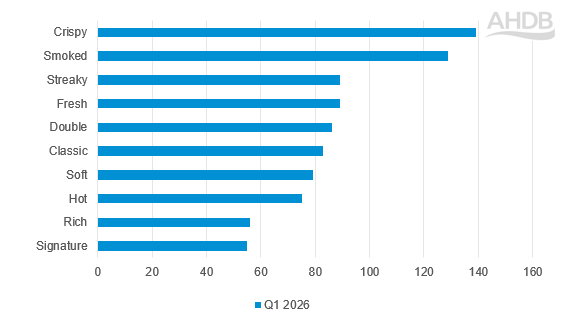
The report says that smoked is one of the fastest-growing terms for pork, “signalling crafted, premium flavours”, while lamb leans into “pickled, marinated and glazed profiles”.
For beef, indulgent cues like double and classic remain prominent.
Texture-led words, such as crispy, are particularly effective at lunchtime, offering a simple way to elevate dishes and resonating with wider social media trends.
Consumer mindset
According to AHDB, descriptors such as “high quality, seasonal, fresh and locally sourced” draw customers eyes.
“72% of consumers saying high-quality ingredients make a meal feel worth the cost, alongside 63% for seasonal and fresh produce and 57% for locally sourced items”.
In addition to this, British consumers now emphasise additions when defining a healthy diet, such as fruit and vegetables, hydration and balance over cutting calories, fat or sugar.
This mindset is influencing behaviour, with operators responding through dishes that feel lighter, simpler and more functional.
As a result, high-protein options and smaller portions are becoming more common across both red meat and dairy.
AHDB provided advice for British restaurants and red meat operators, including:
- Prioritise pork-led new product development and value-driven dishes to help grow red meat share on menus;
- Use pork to anchor value while positioning beef and lamb in targeted premium formats;
- Develop lamb dishes that lean into comfort and global cuisines, using cost-effective cuts that still deliver flavour and a premium feel;
- Expand lower-cost beef formats beyond burgers, such as breakfast, smaller plates, sides, and starters;
- Lean into texture cues, like crispy and smoky, and use provenance to reinforce value and justify pricing;
- Develop small-plate options that highlight functional health benefits.
Whether driven by production costs, supply pressures or consumer demand, the price of red meat shows little sign of falling at restaurants any time soon.