‘Very strong start’ to 2026 for Australian beef industry

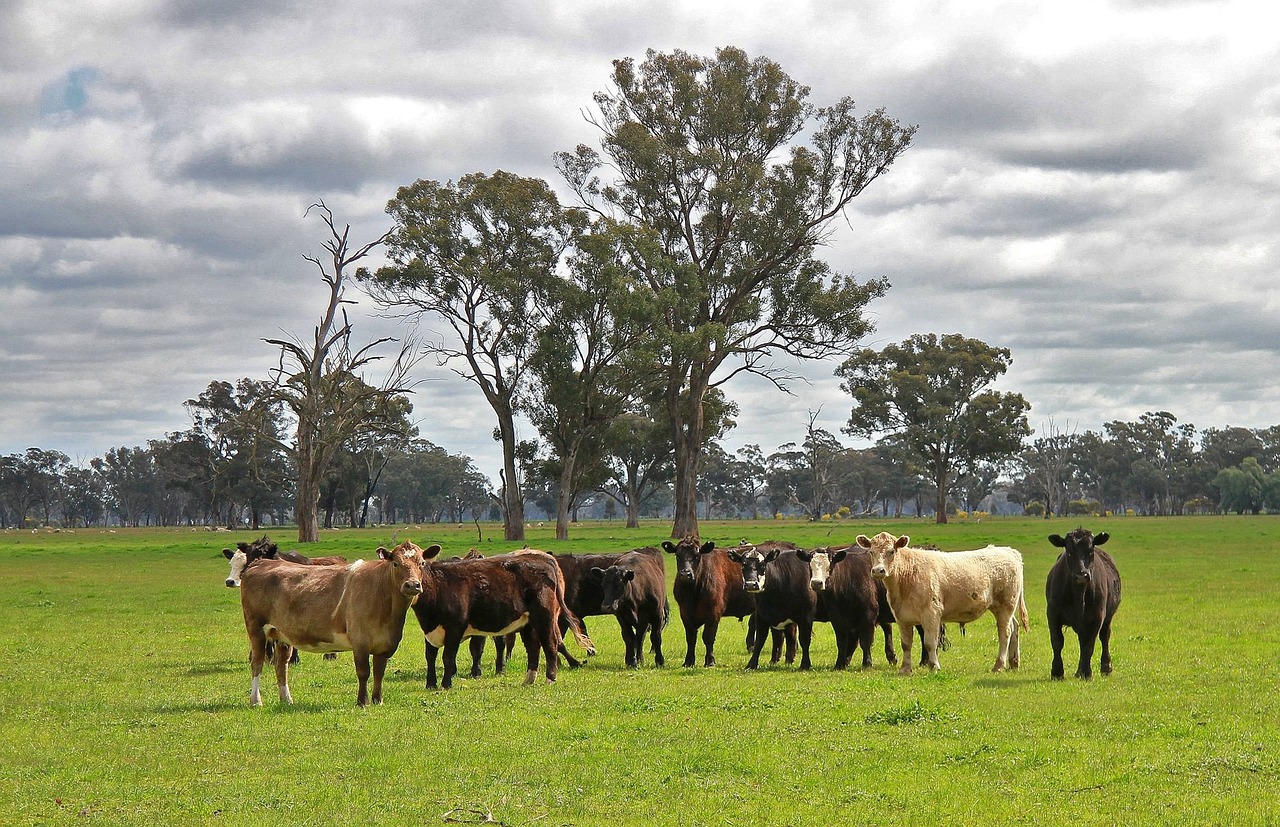
New data from the Australian Bureau of Statistics (ABS) shows that the beef industry had its “strongest start on record” in 2026.
Analysis by Meat and Livestock Australia (MLA) said that this is underpinned by “high throughput, favourable seasonal conditions in northern regions and increased yardings in parts of New South Wales”.
Australia produced 730,077t of beef in the first quarter to March, up 2% on the December 2025 quarter and 8% higher year-on-year, marking the largest first quarter production on record.
Cattle slaughter reached 2.3 million head, representing a 6% lift on the March 2025 quarter, “reinforcing the strong supply pipeline following record production levels last year”, MLA said.
Continued momentum
MLA market information manager Stephen Bignell said the results highlight the “continued momentum across the cattle sector, with regional dynamics playing a key role”.
“The latest ABS data confirms a very strong start to 2026 for the Australian beef industry, with production lifting on both the previous quarter and year-ago levels,” Bignell said.
“Favourable seasonal conditions across northern Australia are supporting productivity, while dry conditions in northern New South Wales have contributed to higher yardings and turn-off in that region.”
Carcass weights
Carcass weights also continue to trend upward, reaching 317kg in the quarter to March, reflecting improved conditions and high grain-fed turn-off, MLA said.
The national female slaughter rate lifted slightly to 53%, indicating ongoing herd adjustment, but remains below recent peaks.
Meanwhile, the value of cattle transactions reached a record $6 billion for the quarter, highlighting the “continued strength in the sector despite shifting market dynamics”.
“Record transaction values demonstrate the resilience and underlying demand for Australian cattle, both domestically and internationally,” Stephen Bignell continued.
“While we are seeing some moderation following the exceptional highs of 2025, the fundamentals of the beef sector remain strong.”
Sheep production
Sheep and lamb sectors recorded a pull-back in throughput during the March quarter, reflecting a tightening in supply following elevated turn-off in 2025, MLA said.
National sheep slaughter fell to 2.05 million head, down 23% quarter-on-quarter and 32% year-on-year.
Mutton production declined to 51,720t, a 31% drop compared to the same quarter last year.
Bignell said the decline points to a rebalancing phase across the sheep sector.
“We’re seeing a contraction in sheep supply following a period of high turn-off, particularly through 2025,” he said.
“Lower slaughter volumes this quarter reflect reduced availability, with several southern processing regions recording notably softer throughput.”
Key processing states recorded sharp declines, with volumes easing across New South Wales, Victoria, and Western Australia.
Sheep carcass weights also slipped to 25.2kg, down on both the previous quarter and the five-year average, suggesting a “higher proportion of lighter stock entering the system”, according to MLA.
Lamb
Lamb production followed a similar trend, with slaughter at 5.8 million head, down 15% year-on-year, and production easing 10% to 150,551t.
However, lamb carcass weights increased to 25.8kg, up 6% year-on-year, partially offsetting lower throughput.
“While lamb volumes have eased, improved carcass weights are helping support overall production,” Bignell said.
“That lift reflects ongoing gains in productivity, including the continued uptake of improved feeding and finishing systems.”
Outlook
Bignell said the first quarter results “position the industry strongly” for the remainder of 2026.
“We expect production to remain elevated in the near-term, supported by herd dynamics and seasonal conditions,” he said.
“Australia continues to play a critical role in global red meat supply, and these results reinforce the industry’s capacity to meet ongoing domestic and export demand.”