Keeping up to date with fertiliser applications

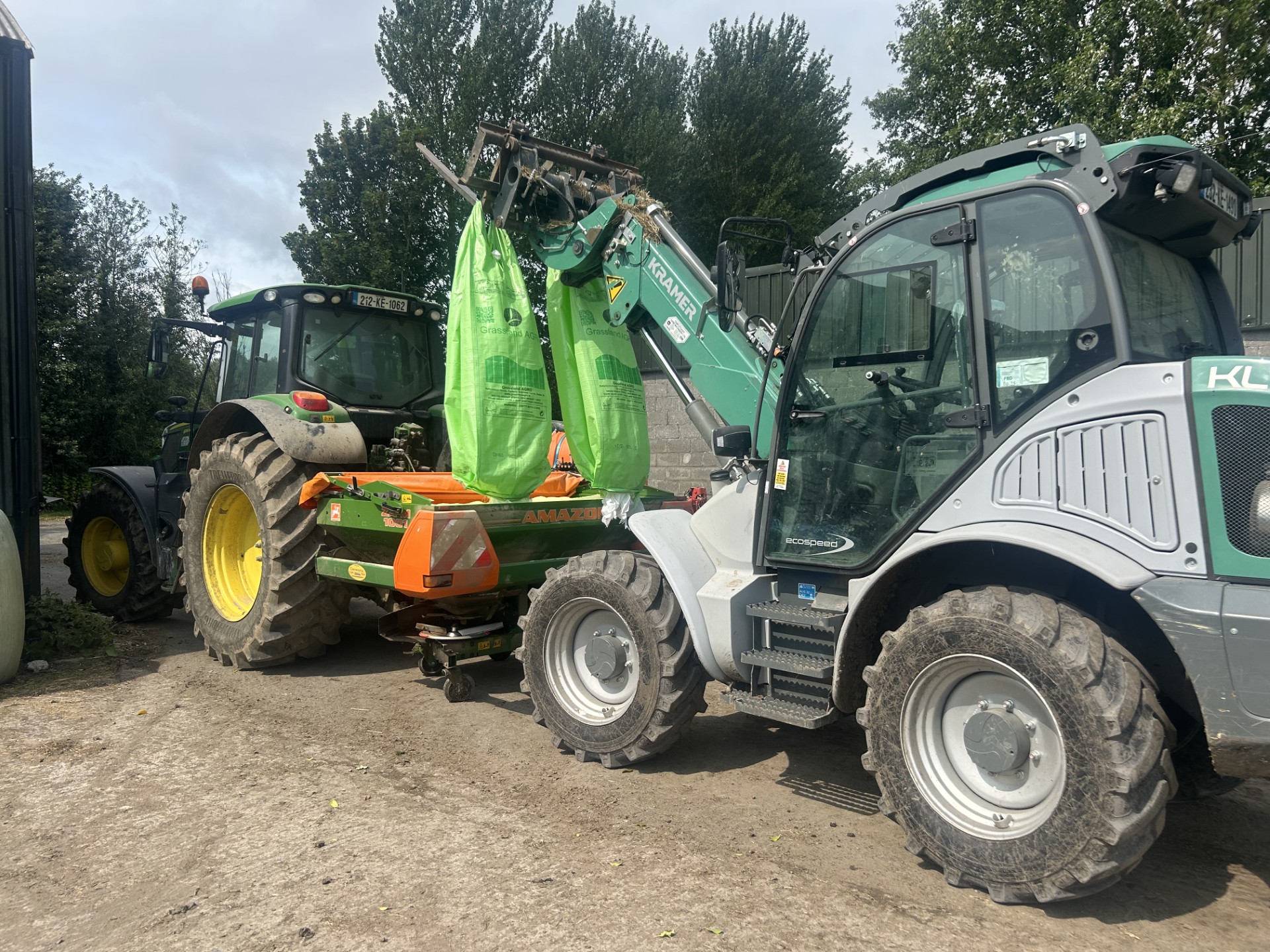
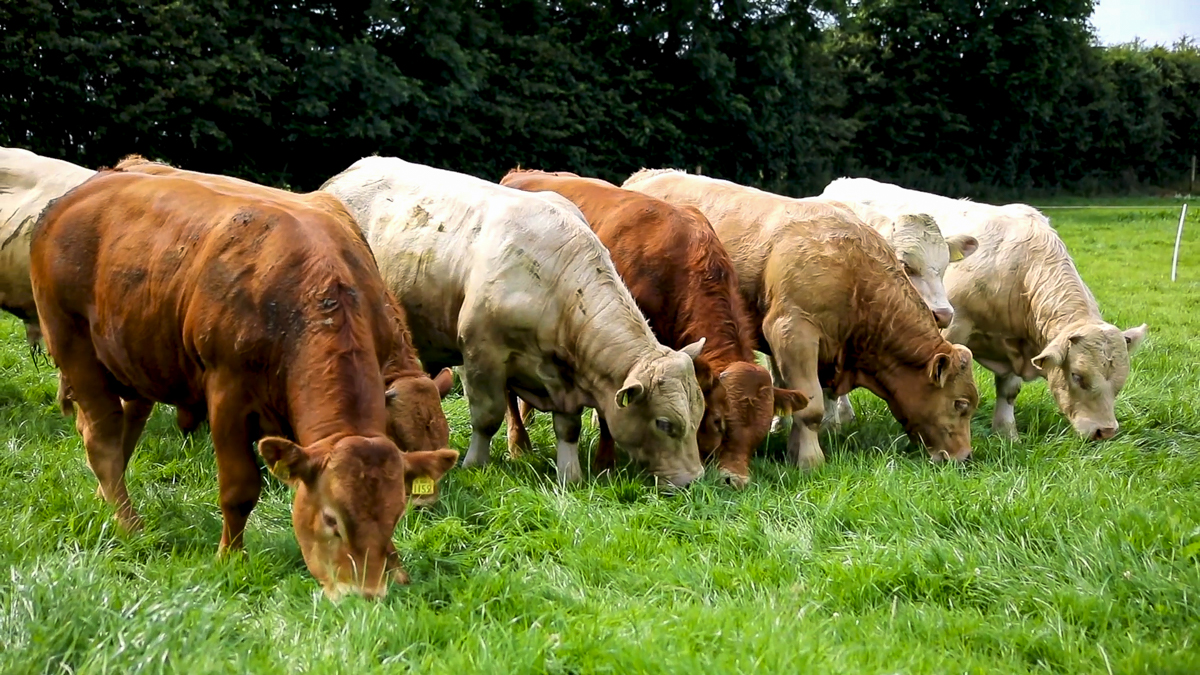
Grass growth has taken off in the last week to 10 days, which has left many farms with an abundance of grass, but fertiliser application must be kept up to date.
Grass growth is up over 70kg of grass dry matter (DM)/ha/day, but demand is not far behind, so fertiliser must be targeted well to keep things right.
Often, when grass begins to grow and there is a lot ahead of the cows, the temptation might be to skip a round of fertiliser.
But in reality it is important to keep up to date with this fertiliser application as if cows are grazing heavier covers, once those paddocks are grazed, they will often be depleted of nitrogen (N) and will be crying out for an application.
The good grass growths should encourage farmers to continue as they are with fertiliser application as, if it leads to a surplus of grass on the farm, well and good, for this quality baled silage will always be welcome in the shoulders of the year.
If there is a surplus on the farm, do not delay in getting that paddock cut and fertilised and back into the round, as we have seen in the last week that the grass situation can change very quickly from a grass deficit to a surplus – and who’s to say it will not swing the other way just as quick.
The temptation can often be to leave a paddock or two to bulk up even more, potentially delaying it beyond the next round.
However, this could be costly and cause a deficit on the farm while making lesser quality bales.
Fertiliser application
Farmers should keep sulphur out on the grazing ground and apply about 5kg of sulphur/ha per rotation and up to a total of 20kg/ha/year by July 1.
If there is a phosphorus (P) allowance on the farm, paddocks that have received little to no slurry should be topped up with some P, maybe in the form of product such as 18-6-12 + S.
Talk to your adviser on what the appropriate rates are, as it will depend on the soil index, your nutrient management plan, and what has been spread to date.
N applications on grass-white clover swards can begin to be reduced and should only ideally be done if there is over 20% clover in the sward, to prevent a decrease in total dry matter production.
This decrease in N application usually occurs in May, as growth rates and heat in the soil ramps up.
Once a clover content of your paddocks has been assessed, choose an appropriate N strategy that matches your fertiliser allowance.