

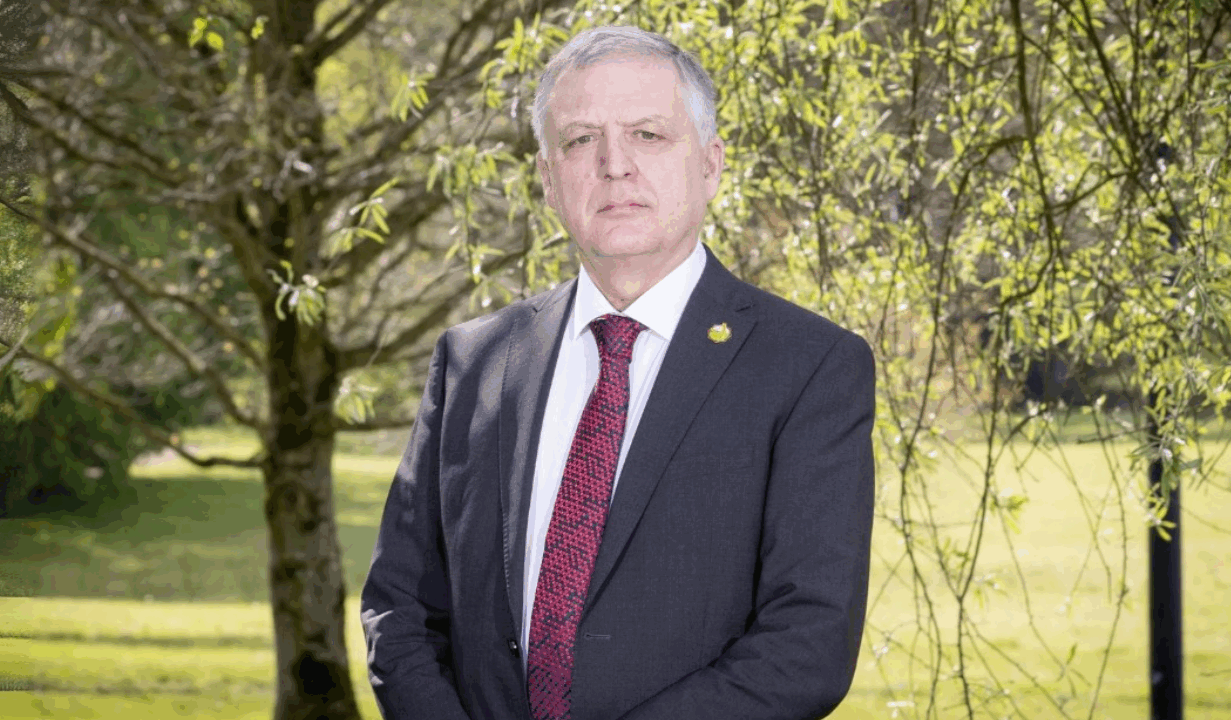
The Ulster Farmers’ Union (UFU) has renewed its call for the UK government to fully reverse family farm tax proposals.
While recent changes to Agricultural Property Relief (APR) for inheritance tax will see the 100% threshold at £2.5 million transferable between partners, with a 50% relief thereafter, the UFU said it will “continue to work with all political parties to ensure they pledge to completely overturn the policy in their next manifesto”.
UFU president, William Irvine, said: “The original proposals of a £1 million threshold brought forward in the 2024 Autumn Budget would have been catastrophic to agriculture, and were based on nothing other than a complete lack of understanding or respect for how agriculture operates both in Northern Ireland and across the UK.
“However, as a result of sustained, coordinated lobbying by the UFU and other UK farming unions, backed by members, industry partners and stakeholders, those proposals were changed.
“This result shows the strength of a united voice across the UK farming industry.”
The president reiterated how the UFU intends to “continue lobbying for further changes to (inheritance tax) IHT proposals, both immediately on the practical challenges with the current policy, and with political parties longer-term”.
He said: “We are in a better position today than we were at this stage last year, but as I said in December when the announcement was made, the work is still not done.
“The UFU are pressing the UK government to remove this harmful family farm tax completely, and we continue to lobby all political parties in Westminster to see that this policy change is in their next manifestos.”
’14 months of torture’
Recently, Irvine talked to Agriland about the impact of the inheritance tax introduced by Chancellor Rachel Reeves, courtesy of her October 2024 Budget.
He said: “What followed was 14 months of torture for every farm family in Northern Ireland and the rest of the UK.
“And despite the changes and amendments introduced to the new inheritance tax measures up to December last year, the reality is that a significant proportion of farm businesses in Northern Ireland remain exposed to its remit.”